

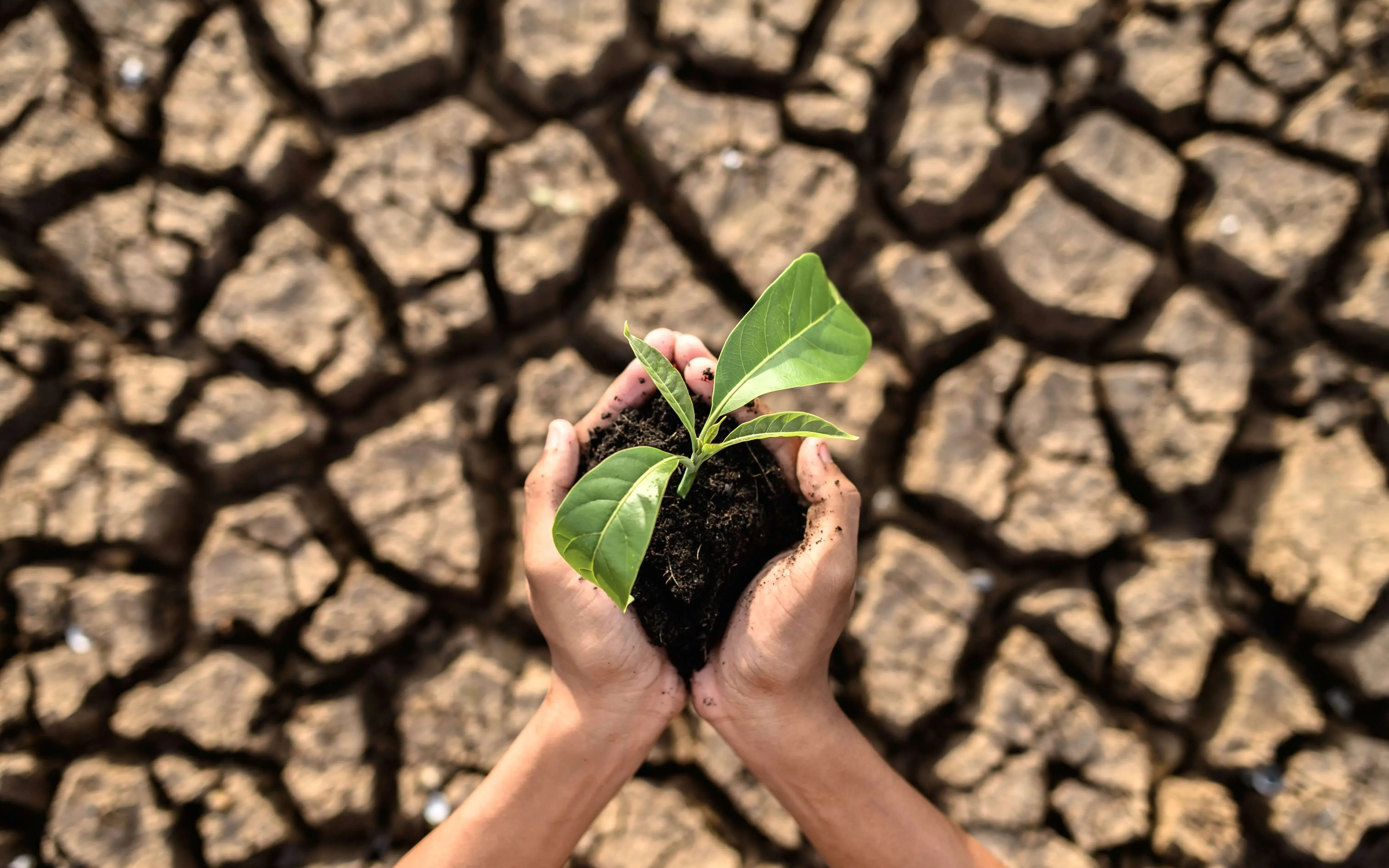
All companies, organizations and governments generate impacts on ecosystems while also depending on them. Therefore, it is necessary to think about compensating for the effects they may have on them.
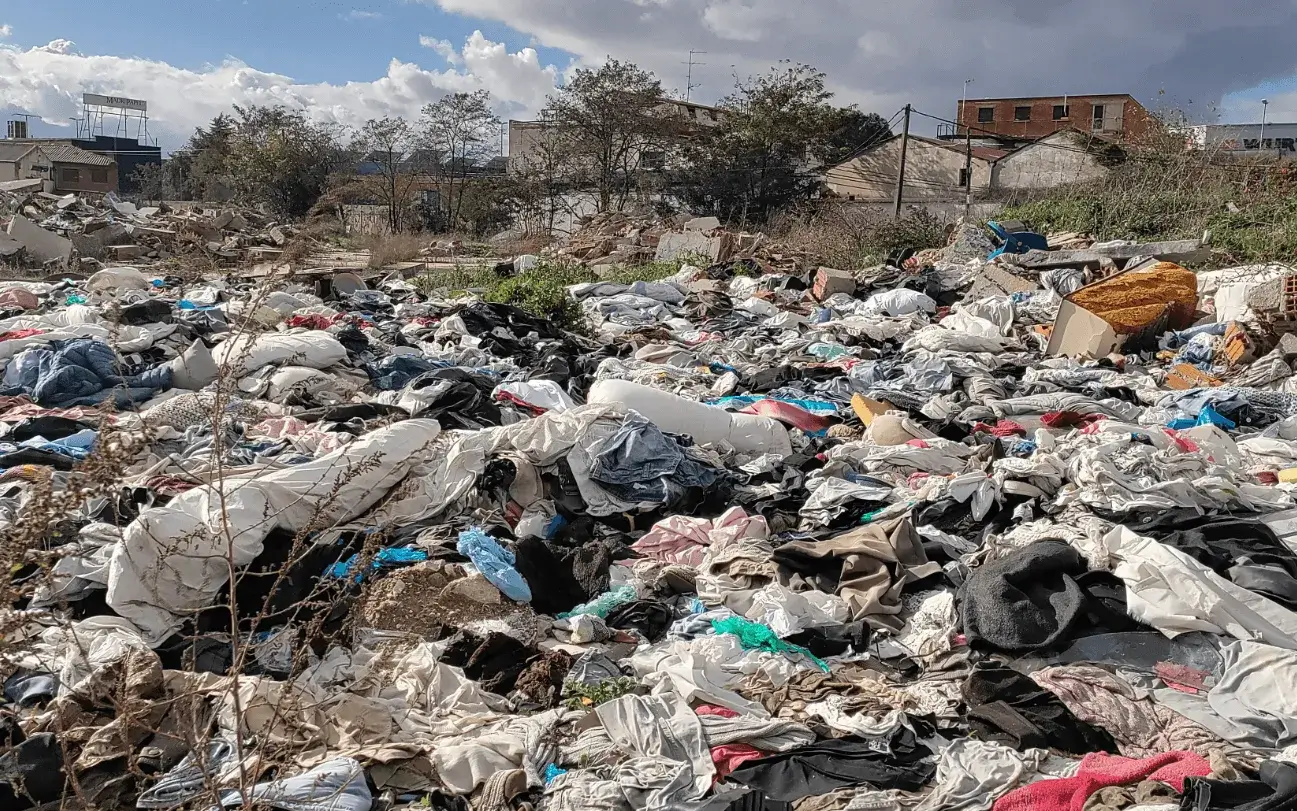
Environmental degradation directly or indirectly affects all sectors of society. The loss of ecosystems puts at risk not only the populations of certain regions, but also the market itself, which is often the cause. This is explained in CustForest based on the concept of ' ecosystem services ', a relatively new term to explain a reality that has evolved in parallel with human beings, that is, the direct or indirect impact of ecosystem resources or processes on human activities , whether in terms of well-being, health or economic development.
That is, it is a dimension that makes visible the dependence of the economy and people on biodiversity , and defends an approach that leads organizations, governments and companies to quantify and value the goods and services that come from ecosystems and study how to improve the state of the latter in order to improve their activity at the same time.
This resource introduces this perspective based on the guide ' How to integrate biodiversity and ecosystem services into your business ', from CustForest.
The why of ecosystem services
The term 'ecosystem services' first appeared in 1990 as a way of highlighting the dependence that the well-being of society and the economy have on biodiversity. In short, governments, organizations and businesses all depend on ecosystems and have an impact on them . In fact, according to the Millennium Ecosystem Assessment, two-thirds of global ecosystem services are degraded or exploited unsustainably.
At this rate, essential products for the global system will be lost or become more expensive . A very clear example is the decline of pollinating insects, on which more than three quarters of the world's crops depend. But the impact can also be indirect, to the extent that ecosystem changes influence the conditions in which companies, governments and organizations operate , customer preferences, regulatory regimes, policies, the well-being of workers or citizens...
However, and for these reasons, there is a forecast of new business opportunities as a result of an increase in the expectation of using ecosystem services in more efficient and sustainable ways.
Types of ecosystem services
According to the Millennium Ecosystem Assessment, there are four types of services provided by ecosystems:
- Supply : Generation of a resource that society needs (food, materials, water, energy...)
- Regulation : Processes that would be very difficult to do artificially (protection against extreme events, improvement of air and water quality, pollination, temperature regulation, etc.)
- Support : Basic functions necessary for the rest of the services (biodiversity, oxygen production, nutrient recycling, etc.)
- Cultural : Linked to human values and behaviors (enjoyment of the landscape, knowledge of the environment, heritage, identity, etc.)
Integration of ecosystem services
Regardless of the degree or type, all companies, organizations and governments generate impacts on ecosystem services while also depending on them. Therefore, they need to act accordingly. The first step is, of course, to calculate these dependencies and impacts , which can be done through various tools that are explained in the next section.
From here, the next phase is to adapt one's own policies and practices, promoting compensation actions to obtain, consequently, greater sustainability. In the following sections, all these issues are discussed in more detail.
Evaluation tools
In order to assess dependencies on ecosystem services, companies and organizations can use some frameworks and initiatives :
- ForESmap : a municipal cartography of Catalan forest services
- ENCORE : an international organization that analyzes natural capital risks in business and finance
- Entities that make cartographies of the province of Barcelona , such as CREAF , ICTA of the Autonomous University of Barcelona or the Provincial Council itself.
- SBTN : an international network that helps set science-based environmental goals
- TNFD : a global organization that has promoted a framework for disclosing financial risks linked to nature
- Align Project : from the European Commission, to measure biodiversity in supply chains
- Once the impact on ecosystem services has been assessed, compensation tools can begin to be applied . There are several types, which are specified below.
Economic instruments: compensation and protection
There are two main mechanisms with which organizations and companies can mitigate the impact they have on ecosystem services, in order to compensate for their effects or protect them:
- Payments for Ecosystem Services (PES): Agreements where the beneficiary of an environmental service pays for its conservation. An example could be the mushroom collection fee in Poblet to finance forest management.
- Forest climate credits: In Catalonia they are articulated through PROMACC (Forest Projects for Mitigation and Adaptation to Climate Change). One credit is equivalent to one hectare of resilient forest where carbon, water and biodiversity are valued and measured.
Collaboration with environmental organizations
Paying is an easy and efficient way to compensate for damage to ecosystem services, but actions, to be truly significant, should not be limited to one-off and general contributions, especially in a climate crisis context like the one we find ourselves in today. The most advisable thing, and leaving aside the ideal of having no impact on ecosystems, is to work closely with entities in the territory where they have this impact , and which are dedicated to their protection and conservation. There are two types:
Punctual: Through financial donations, percentages of sales in campaigns, contribution of materials or corporate environmental volunteering days.
Ongoing: Periodic membership fees, property custody agreements or stable urban biodiversity projects.
Regulatory framework
There are some laws that promote or even force this path towards offsetting impacts on ecosystem services. There are two scopes to consider:
- European framework: It is part of the European Green Deal and the EU Biodiversity Strategy 2030. It includes the Due Diligence Directive (2024/1760) for large companies, the Corporate Sustainability Reporting Directive (CSRD) with its technical information standards (NEIS/ESRS), the European Taxonomy to define green investments, and the EUDR Regulation against deforestation for products such as wood, palm oil, coffee or cocoa.
- State framework: Highlights include the Strategic Plan for National Heritage and Biodiversity and Law 21/2013 on environmental assessment , which legally requires the application of the Mitigation Hierarchy in projects with significant environmental impact.




Add new comment