Social entities are key spaces for detecting and preventing emotional distress in young people, especially in a context marked by the impact of social networks.
Volunteering is a space for growth and development of oneself and society. It is an opportunity to act in solidarity, to contribute to our communities, learn and connect with other people.
In a humanitarian emergency, it is necessary to listen to communities, respect their dignity and trust the organisations that know the territory and work on the ground.
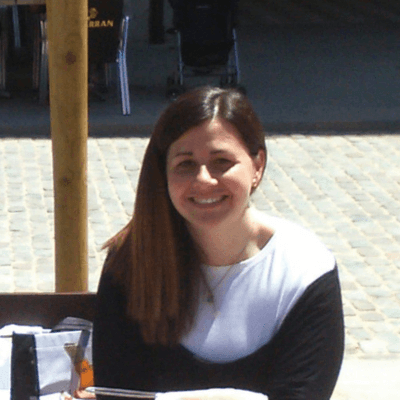
As governments around the world increase their investments in humanitarian assistance, they are recognising a simple reality: today's crises are becoming more frequent, more complex, and more interconnected.

"Not necessarily a space with swings and goals, but places where you don't have to produce, compete, buy or demonstrate anything. A bench in the square. A library. A neighborhood association."

On 17 January, a new global treaty entered into force that finally allows countries to establish marine protected areas on the high seas—ocean regions that lie beyond the jurisdiction of any single nation.
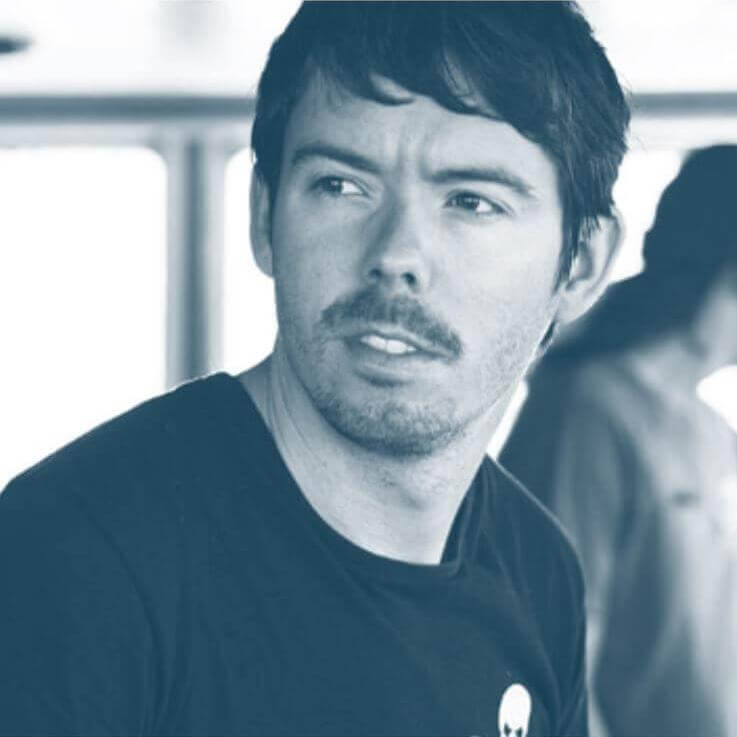
Youth literature can help LGBTI youth recognize themselves without feeling exposed. Reading stories about identity, doubt, fear, and hope can open up necessary conversations with families, teachers, and educational settings.
Searching for alternatives can no longer be done individually but together, to build a society where everyone, regardless of what they have and can afford, can live in freedom and dignity.
Maybe, returning to normality should be done from a different lens, with a special focus on protecting nature and the environment.
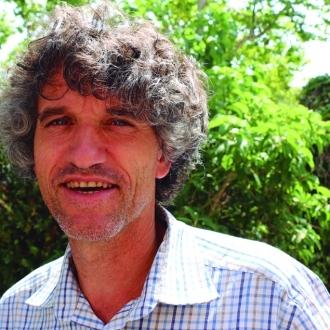
We believe the pandemic has shown the big gap most of the european countries have regarding human rights and has made visible all the inequality that the system has fostered and taken advantage of for years.

For centuries, Romanies have been stereotypically associated with crime and have inspired fascination for their colourful clothing, artistic endeavors, and “carefree lifestyle”.