

We spoke with Richard Barreno, President of Sea Shepherd Spain, about the organization's campaign against illegal octopus trapping in the Mediterranean and the challenges of protecting one of Europe's most threatened marine ecosystems.
Sea Shepherd is an international marine conservation organization known for its direct-action campaigns to protect ocean biodiversity. For decades, it has carried out operations against illegal fishing, marine pollution, and other threats affecting vulnerable species and ecosystems, often working alongside authorities and scientific institutions.
One of Sea Shepherd’s most recent campaigns focuses on removing illegal octopus traps in the Mediterranean. After an initial operation in Tuscany (Italy) in 2022, the organization expanded the initiative to northern Greece in 2024, where it recovered thousands of illegal traps. In 2025, it returned with a larger-scale operation, in collaboration with Greek authorities and scientists, to remove these traps, release the animals caught inside, and document the scale of the problem.
How did the campaign to protect octopuses in the Mediterranean begin, and what led you to focus first on Italy and then on Greece?
We began running campaigns in Italy nine years ago, focusing on illegal fishing and the removal of Fish Aggregating Devices (FADs) in Syracuse and the Aeolian Islands. We identified a lack of resources and enforcement by the authorities in several areas, one of which was tackling the illegal capture of octopuses. From there, it was only a matter of time before the campaign expanded to Greece, given the shared marine ecosystem between the two countries and the similar lack of resources available to the Greek authorities to monitor illegal octopus fishing in the waters of the Alonissos Marine Park.
What is the main threat posed by illegal traps to octopus populations and to the wider marine ecosystem?
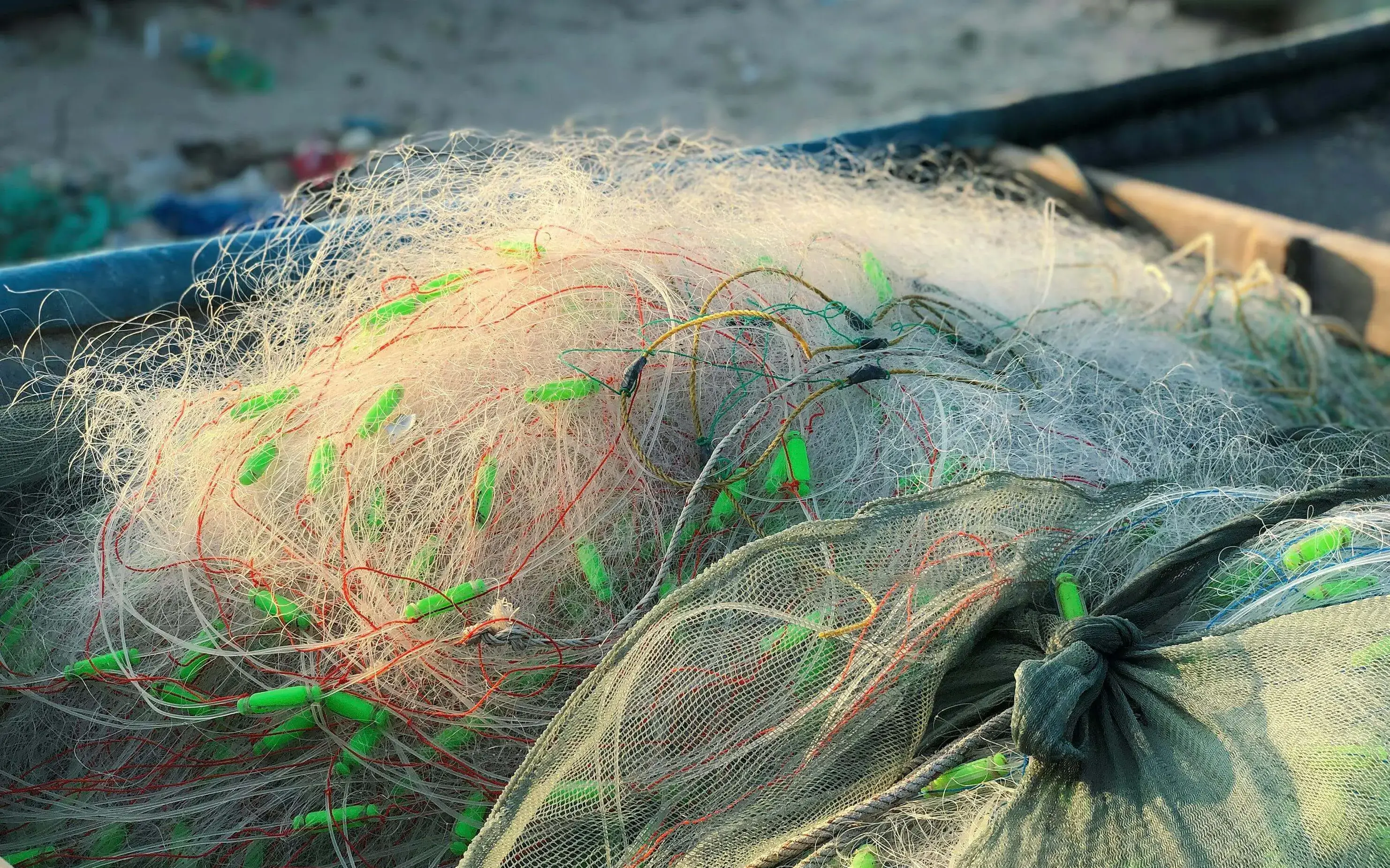
We have entire areas littered with abandoned traps, which are polluting the seabed with plastic. There is also a lack of control over the sex of the octopuses being caught, which has a direct impact on the species’ reproductive capacity. In addition, there is a significant impact on predators that rely on octopuses for food, such as cetaceans and seals, which are now searching across large areas that have been depleted of prey. The long-term survival and recovery of octopus populations are clearly under threat and in decline. There is very little room left for the species to recover, and we are running out of time to allow populations to regenerate.
The campaign began in Tuscany with what you describe as very positive results. What changes did you observe there after the large-scale removal of traps?
We discovered that the problem was much bigger than anyone had realized. Once we brought it to public attention, both the media and the authorities became increasingly involved in exposing the issue and taking action alongside us. There was a clear shift in attitude, and now illegal fishers think twice before setting traps, knowing there is a high likelihood that we will seize them and release the octopuses trapped inside. Monitoring and detection of illegal activity have also improved in the ports, where surveillance has increased due to the media attention generated by our reports, photographs, and data documenting the scale of the illegal activity.
When you arrived in northern Greece, what surprised you most about the scale of the problem?
What surprised us most was that the authorities didn’t even have mobile phones or radios to communicate with shore. At that point, we purchased and donated a complete set of radios so they would no longer have to return to port every time they detected an infringement. From then on, we were able to coordinate the campaign’s operations directly with marine patrols.
In recent years, the Greek government has committed to creating more Marine Protected Areas, and this year it also banned bottom trawling within those protected zones. Little by little, the pressure exerted by serious conservation organizations is prompting the authorities to take action. That is precisely why it is so important to continue carrying out direct-action campaigns.
During this campaign, you work alongside Greek authorities and scientists. How is that collaboration organized on the ground?
We hold meetings with the authorities at every level because their support is essential when it comes to taking action and seizing illegal traps. These agreements provide the legal authority we need to carry out our work.
The scientific community also takes advantage of our presence by joining our expeditions, collecting data and measurements, and working with us to assess the environmental damage and identify the areas most severely affected. Scientific studies provide solid evidence that counters the propaganda of those who simply want to buy more time to continue damaging the seabed. We provide the vessels and crew needed to carry out this work.
What happens to the octopuses and other species that you find alive inside the traps?
We release them back into the sea. It’s an extraordinary experience to watch octopuses change their appearance depending on whether they feel threatened or safe, and to see how they camouflage themselves or alter their colour in response to stress.
In every case, all live animals are released immediately so they can return to their natural lives in the ocean. The heartbreaking part is the animals we find dead, trapped by abandoned fishing gear. We also document these cases, including protected species, and report them to the authorities in the hope of identifying those responsible.
In addition to the impact on wildlife, you also talk about pollution of the seabed. What kind of waste is generated by these abandoned fishing gears?
The traps and fishing lines are made of plastic. They are routinely abandoned after being lost or damaged, or simply because fishers want to free up space on their boats to carry more gear. These materials remain on the seabed, where they gradually break down and pollute the marine environment.
Some local fishers are well aware of the damage caused by illegal operators and have begun helping us by reporting those responsible and exposing their harmful practices. The urgency of the situation has changed the mindset of many fishers who, until recently, remained silent. Some have gone back to using traditional ceramic traps, while others are giving up octopus fishing altogether because octopus populations have become so scarce in the areas where they usually fish.
To what extent does the demand for octopus in the Mediterranean contribute to the spread of these illegal practices?
Demand is used as an excuse to break the law and destroy ecosystems. It is the industrial-scale fishing sector—from the fishers themselves to the companies that market octopus—that is responsible for the irreparable damage their activities cause to the natural environment and the species that depend on it. It all comes down to greed.
The industry claims it needs to maintain catches in order to keep prices stable, but there is no price that can justify the devastation left behind. People who understand the direct environmental impact caused by illegal octopus fishing choose not to consume these animals.
This movement needs to continue growing until the industry's excuses no longer carry any weight. Public awareness is just as important as the direct action carried out through our campaigns—they go hand in hand.
What role can the public play in helping to conserve octopus populations and promote more sustainable fishing?
The public needs to understand the true cost of consuming octopus and seafood. People should ask where it comes from, how it was caught, what environmental costs were involved, and whether any environmental, labour, or human rights violations occurred during its capture and sale. This is extremely important.
It is becoming increasingly difficult, even for activists, to trace the origin of seafood and the conditions under which it was caught before it reaches the market. People should never feel embarrassed about asking questions—whether in restaurants, fish markets, or anywhere information is missing or unclear. Ask what the real cost was of bringing that animal to your plate.
More and more citizens are becoming environmental activists in their everyday lives, and that has never been more important. In a world where information is power, informed consumers can make a real difference.
What are Sea Shepherd’s next objectives for this campaign, and what would you like to have achieved in a few years’ time?
We want to surpass the 34,546 illegal octopus traps we have already removed from the seabed. We want to continue removing longlines and other abandoned fishing gear, building on the more than 300 kilometres of fishing lines we have already recovered during this campaign.
We also want to continue rescuing octopuses, far beyond the 1,584 individuals we have already freed and returned to the sea.
Ultimately, we want to bring an end to octopus fishing and see the natural communities that depend on this remarkably intelligent and social species thrive once again. We want to see a Mediterranean Sea full of life and reverse the alarming decline it is currently experiencing. We want to eliminate dead zones and continue working alongside every part of society—government authorities, civil society organizations, local businesses, and anyone who shares the determination to stop the destruction of these threatened species.
The Mediterranean Sea needs us.


Add new comment