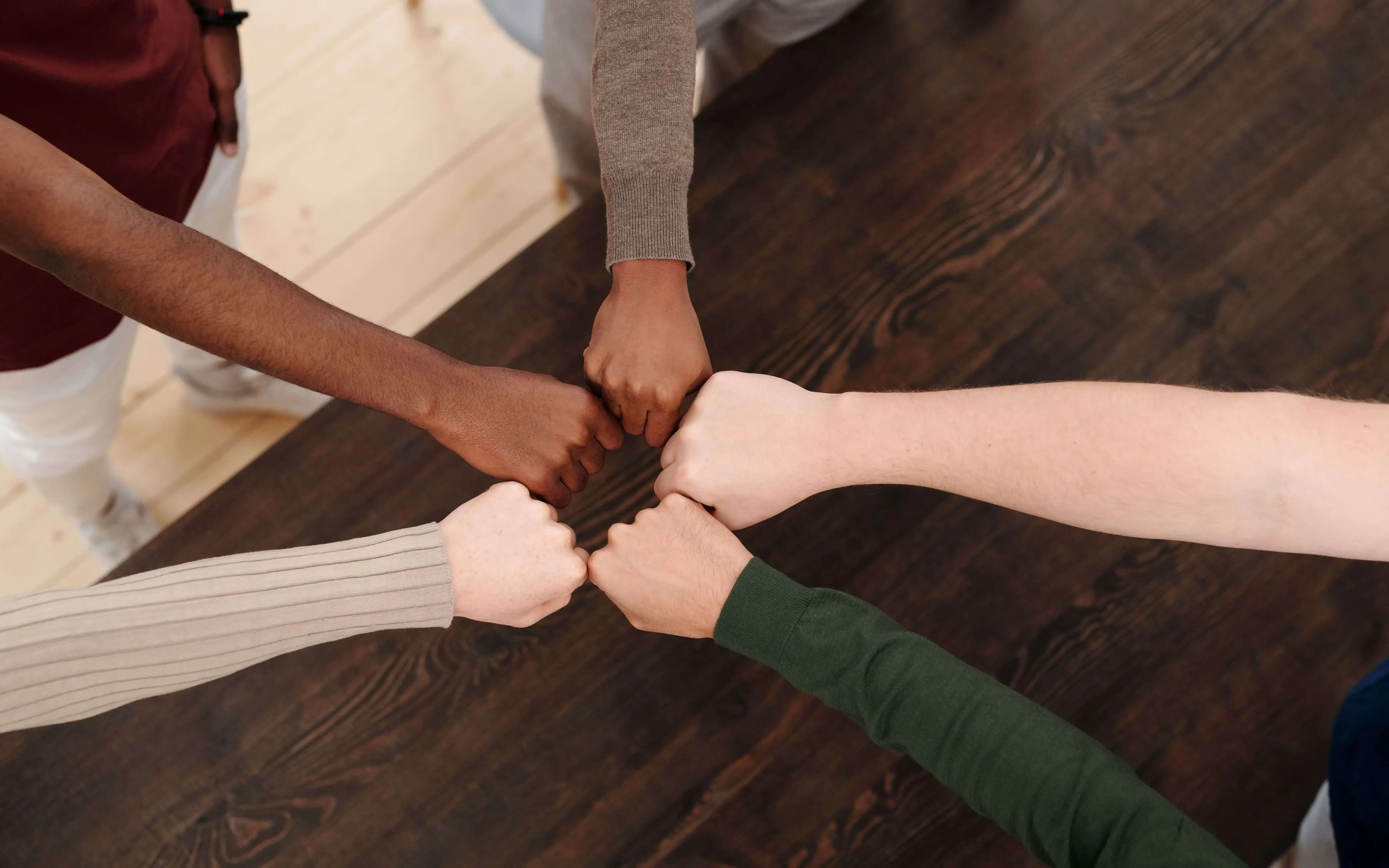
Volunteering is a space for growth and development of oneself and society. It is an opportunity to act in solidarity, to contribute to our communities, learn and connect with other people.
This must be the reality for everyone who is willing to participate. However, it is necessary to ensure that volunteering is a safe and welcoming space for all to take part, on equal terms, regardless of their contexts and backgrounds.
For those who are not participating, it is fundamental that we understand the reasons, so barriers faced can be addressed. However, tackling barriers is only a first step in removing negative aspects which may keep people away from volunteering - the crucial next step is reinforcing the positive aspects which may bring more people into volunteering. At the Centre for European Volunteering (CEV), we consider ensuring that a volunteer’s participation, experience, and impact are valuable and impactful to be one of those crucial positive aspects.
Organisations may be formally open to anyone willing to participate, but lack the resources, knowledge, infrastructure and flexibility needed to make the inclusive involvement of volunteers a meaningful reality. For this reason, inclusion cannot be analysed only in terms of participation numbers. The environment must be safe and conducive to expressing needs and interests, having them recognised and answered, and shaping their volunteering experience & impact.
Effective and inclusive participation needs an enabling framework. This means investing both in volunteers and the organisations that host and support them. Across the volunteering sector, inclusive volunteering depends on organisations’ capacity to involve people facing participation barriers, particularly people with disabilities.
Organisations require not only funding, but concrete knowledge, infrastructure (physical and digital), and material support that enable volunteers to participate on equal terms, without losing sight of their particular needs.
In the Erasmus+ project ‘TEAM IV - Training European Active Mentors for Inclusive Volunteering’, in which CEV is a partner, we reflect this lesson. TEAM IV focuses on strengthening volunteer mentoring for the inclusion of people with disabilities who are volunteers or wish to become volunteers. The project trains volunteer mentors to engage with their volunteer counterparts through peer-based, collaborative mentor-mentee relationships, leading to the meaningful, active and equal participation of people with disabilities in volunteering. TEAM IV demonstrates that personalised support can remove barriers while strengthening the capacity of the volunteering ecosystem itself.
A genuinely inclusive framework for volunteers must go beyond capacity-building and actively protect volunteers. The establishment of a formal European Status for Volunteers in Voluntary Service Programmes would be an important step towards making volunteering more inclusive. This Status would provide a clearer framework for rights and responsibilities, including social security, health insurance, care provisions and, where relevant, facilitated visa processes. Volunteering should never mean losing essential protections or having to choose between contributing to society and retaining the support on which a person depends.
Another facilitating factor is the potential of digital and hybrid volunteering opportunities. For someone with a disability, caring responsibilities, health-related barriers or financial constraints, an online or hybrid opportunity may be the most appropriate option. But digital volunteering must be a genuine choice, not a cheaper substitute for inclusion. It requires investment in digital accessibility and organisational capacity, alongside recognition and funding on an equal footing with face-to-face volunteering.
Meaningful, inclusive volunteering opportunities, programmes and policies are inclusive from their very conception. Inclusion is strongest when volunteers can express their preferences, contribute ideas and co-design their own volunteering experience. It is not only a matter of accommodating the different needs and removing barriers, but of seeing and celebrating diversity as an asset that can improve volunteers’ experience, organisational capacity and society as a whole.
This often requires tailored approaches to specific people and contexts. Different people face different barriers, and meaningful inclusion may involve mentoring, reasonable adaptations, additional financial support, accessible communication or simply greater flexibility. TEAM IV's focus on mentoring illustrates how individualised support can help people with disabilities move from being potential participants to active volunteers and contributors to civic and democratic life.
It also means recognising volunteering for what it is: a powerful form of civic participation, solidarity and learning. This recognition matters because volunteers are not simply recipients of opportunities. They are contributors who strengthen communities, build connections and make European values visible through everyday action. Effective inclusion therefore benefits everyone: volunteers gain agency and belonging, organisations gain new perspectives and skills, and communities become more diverse, connected and resilient.
Making volunteering more inclusive is ultimately about changing the question we ask. Instead of asking whether people can participate, we should ask whether they can participate fully, on an equal footing and with real opportunities to contribute
A volunteering sector with inclusion design at its heart is stronger for everyone. It contributes to active citizenship, solidarity and civic & democratic resilience. Most importantly, it ensures that volunteering reflects the Europe we want to build: participatory, cohesive and grounded in the principle that everyone should have the opportunity not only to take part, but to make a difference.


Add new comment