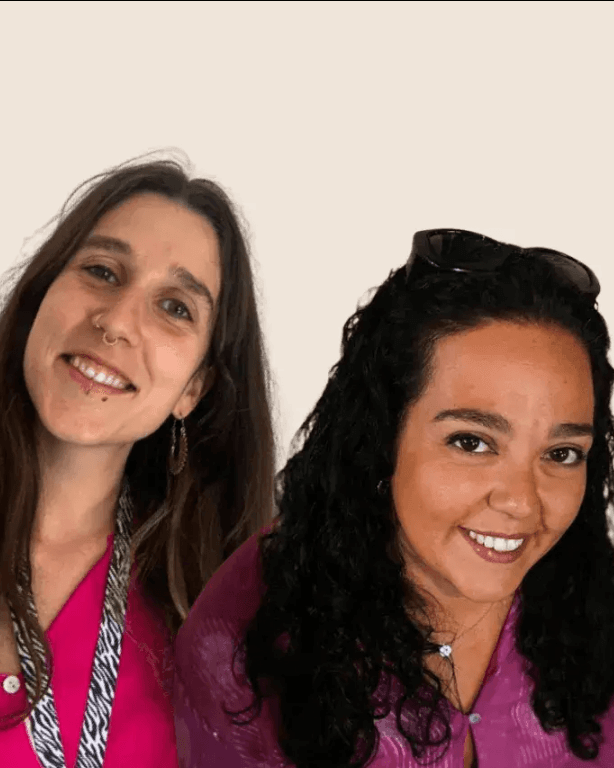
When a child understands why a rule exists, it is easier for them to make it their own and incorporate it as part of their way of relating to others.
Social entities are key spaces for detecting and preventing emotional distress in young people, especially in a context marked by the impact of social networks.
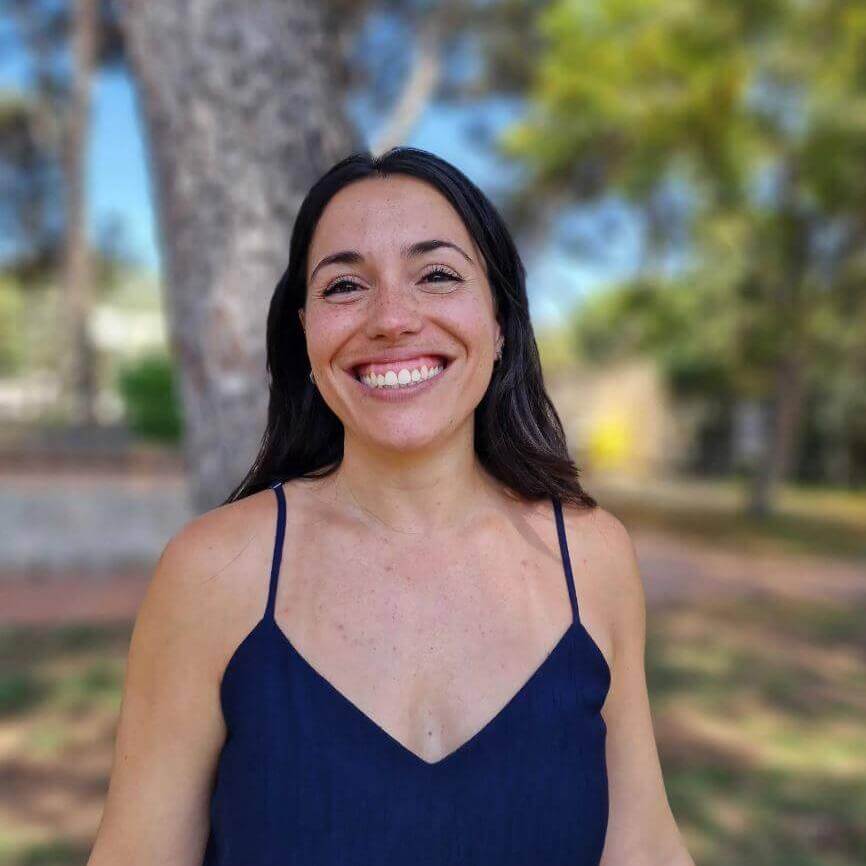
Volunteering is a space for growth and development of oneself and society. It is an opportunity to act in solidarity, to contribute to our communities, learn and connect with other people.
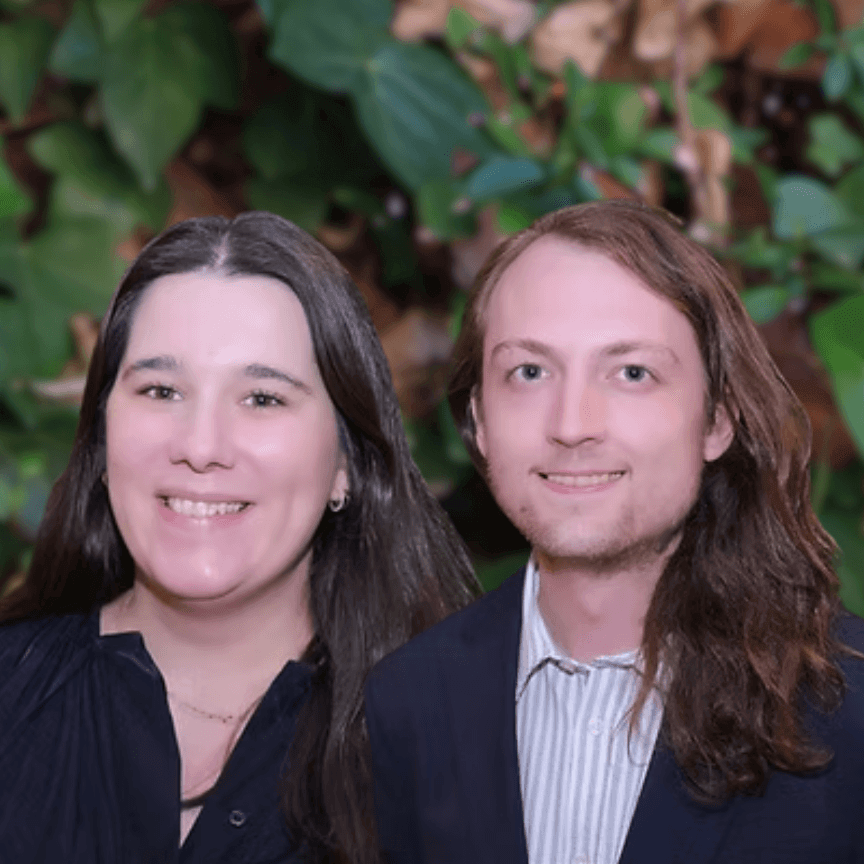
In a humanitarian emergency, it is necessary to listen to communities, respect their dignity and trust the organisations that know the territory and work on the ground.
As governments around the world increase their investments in humanitarian assistance, they are recognising a simple reality: today's crises are becoming more frequent, more complex, and more interconnected.

"Not necessarily a space with swings and goals, but places where you don't have to produce, compete, buy or demonstrate anything. A bench in the square. A library. A neighborhood association."

On 17 January, a new global treaty entered into force that finally allows countries to establish marine protected areas on the high seas—ocean regions that lie beyond the jurisdiction of any single nation.
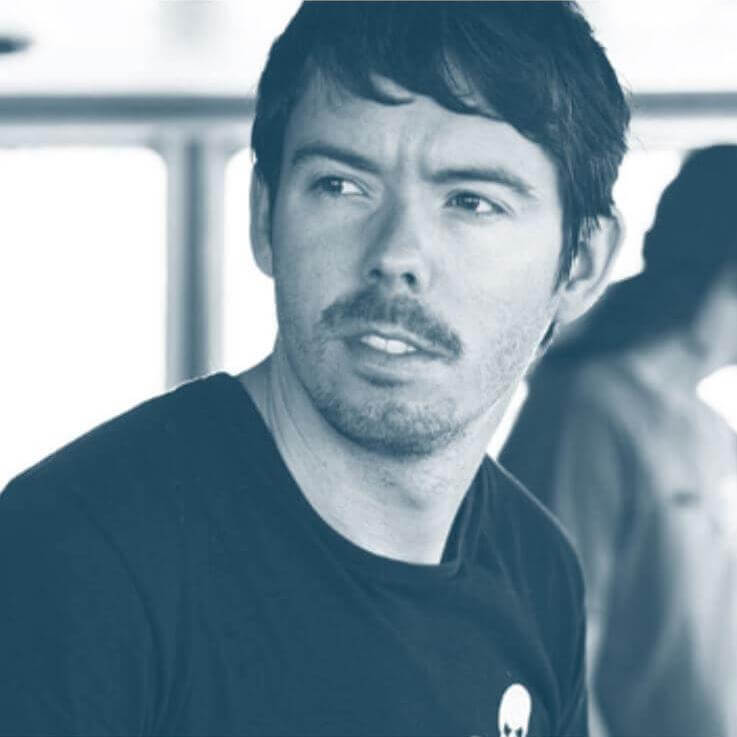
Youth are political, and they live this in their everyday life. Since the turn of the 21st century, multiple crises have unfolded, both social and economic that impact youths directly and have become a window of opportunity for political and social mobilisation and participation.

Major fashion brands have embraced greenwashing to try convincing consumers that they are minimizing their impact. An initiative launched by Carro de Combate, SETEM and Campanya Roba Neta is trying to raise awareness on the advertising tricks used by the industry.

"Women have the fundamental right to participate in decision-making processes that affect them, such as disarmament processes".
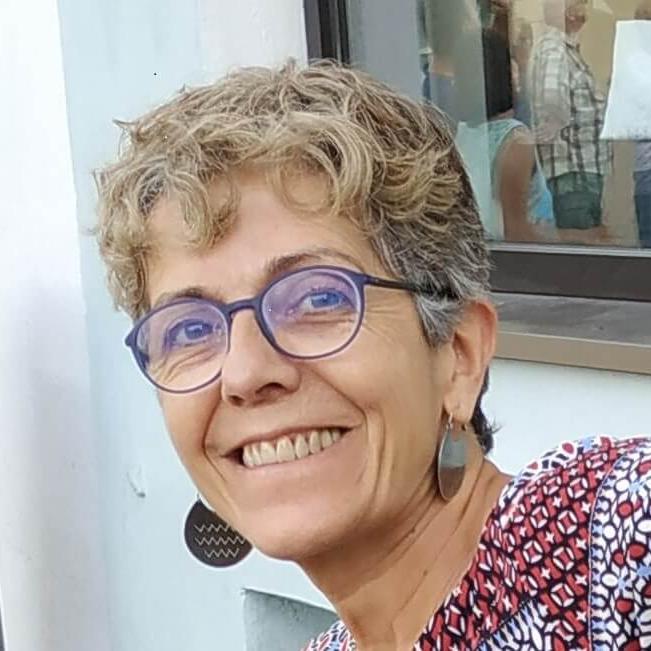
"Every day we lose around 150 species. It is easy to become alienated when the problem emerges thousands of kilometers away, but it also affects us close to home and, ultimately, we are talking about the same planet. We are all complicit"