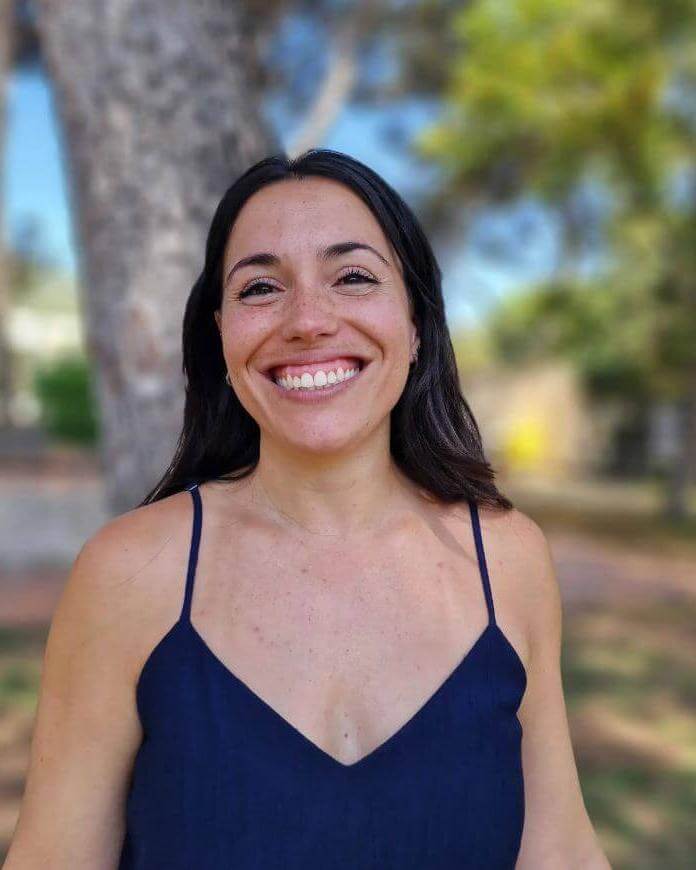
Social entities are key spaces for detecting and preventing emotional distress in young people, especially in a context marked by the impact of social networks.
Volunteering is a space for growth and development of oneself and society. It is an opportunity to act in solidarity, to contribute to our communities, learn and connect with other people.
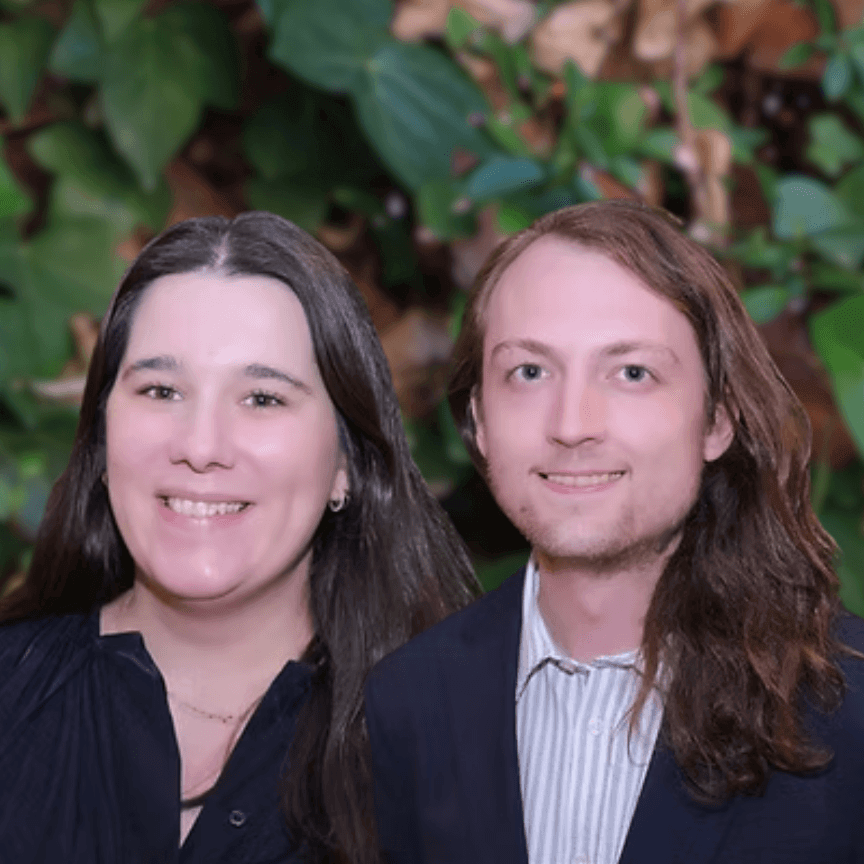
In a humanitarian emergency, it is necessary to listen to communities, respect their dignity and trust the organisations that know the territory and work on the ground.
As governments around the world increase their investments in humanitarian assistance, they are recognising a simple reality: today's crises are becoming more frequent, more complex, and more interconnected.

"Not necessarily a space with swings and goals, but places where you don't have to produce, compete, buy or demonstrate anything. A bench in the square. A library. A neighborhood association."

On 17 January, a new global treaty entered into force that finally allows countries to establish marine protected areas on the high seas—ocean regions that lie beyond the jurisdiction of any single nation.
Youth literature can help LGBTI youth recognize themselves without feeling exposed. Reading stories about identity, doubt, fear, and hope can open up necessary conversations with families, teachers, and educational settings.
Today there are 2.3 million Indians living with HIV and Pravin Mutyal, Snehalaya's director, explains us the actual context and the role of his organization to provide dignity to this people.
Lorraine Leete, defender of the rights of migrants and refugees and coordinator of Legal Center Lasvos, denounces the treatment towards migrants who are abandoned at sea.

The state of Climate Emergency arises because we must act now to prevent the multiple points of no return from being activated.
How can we prevent the spread of a disease whose cause is still largely unknown, although genetic and environmental factors play a large role in it?
