
We cannot allow ourselves to accept as normal a situation in which advances in technology, digitalisation and artificial intelligence, which should improve the amount of time available to us for our personal lives, are instead creating a feeling of living under constant time pressure.
When a child understands why a rule exists, it is easier for them to make it their own and incorporate it as part of their way of relating to others.

Social entities are key spaces for detecting and preventing emotional distress in young people, especially in a context marked by the impact of social networks.
Volunteering is a space for growth and development of oneself and society. It is an opportunity to act in solidarity, to contribute to our communities, learn and connect with other people.
In a humanitarian emergency, it is necessary to listen to communities, respect their dignity and trust the organisations that know the territory and work on the ground.
As governments around the world increase their investments in humanitarian assistance, they are recognising a simple reality: today's crises are becoming more frequent, more complex, and more interconnected.
"Not necessarily a space with swings and goals, but places where you don't have to produce, compete, buy or demonstrate anything. A bench in the square. A library. A neighborhood association."

Let’s not forget that if we free ourselves from stress, we will laugh more, connect more to others, enjoy what happens around us and we’ll be more able to show our very best.
'Esplais' and scouts are the only projects offering camps that are completely self-managed by instructors, children and families.
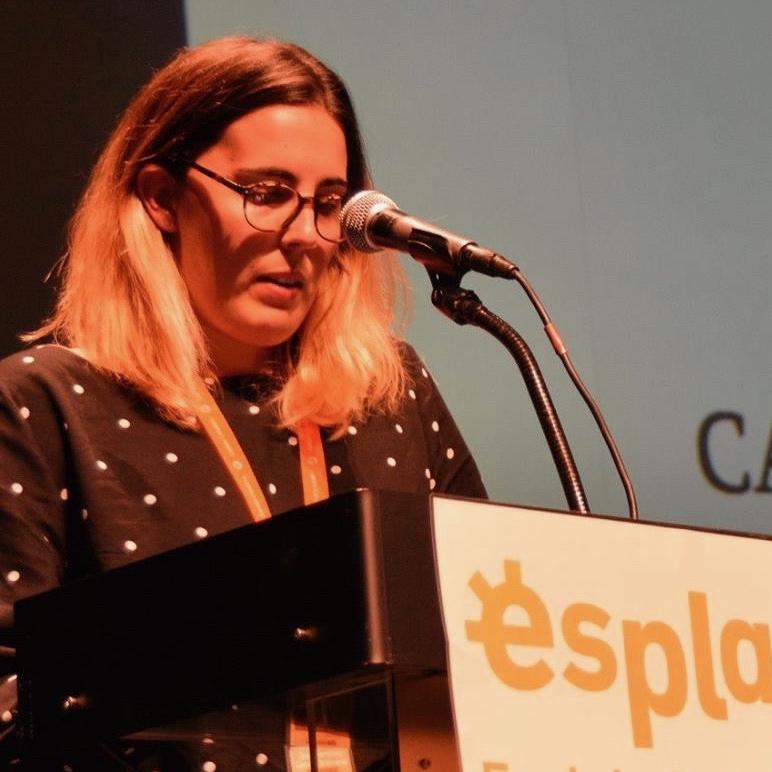
The first asylum seekers that arrived from Syria in 2016 start leaving the reception programme and lead a normal life.

An experience that has arised in our environment and has been crossing borders and has served to shoulder the responsibility of collaboration with Latin American countries where the the population in need have taken humanitarian urgency, including Honduras.
