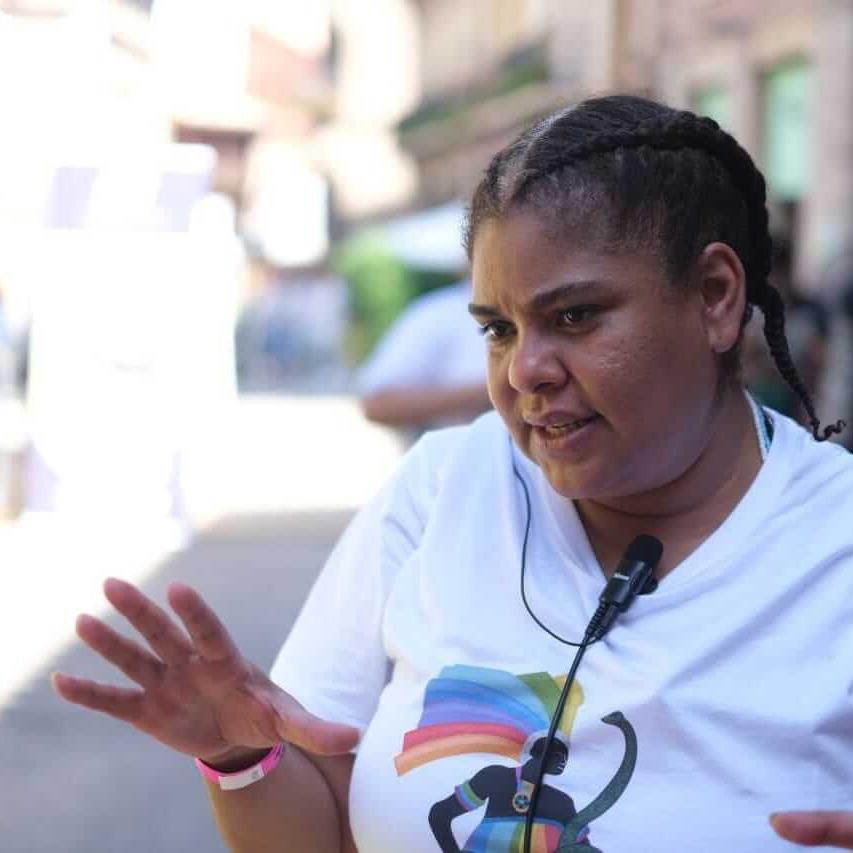
Companies can play a key role in nature conservation. Alliances with environmental entities allow sustainability commitments to be transformed into concrete projects, connected to the needs of the territory and with a long-term vision.
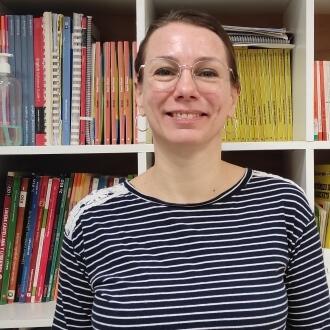
We cannot allow ourselves to accept as normal a situation in which advances in technology, digitalisation and artificial intelligence, which should improve the amount of time available to us for our personal lives, are instead creating a feeling of living under constant time pressure.

When a child understands why a rule exists, it is easier for them to make it their own and incorporate it as part of their way of relating to others.

Social entities are key spaces for detecting and preventing emotional distress in young people, especially in a context marked by the impact of social networks.

Volunteering is a space for growth and development of oneself and society. It is an opportunity to act in solidarity, to contribute to our communities, learn and connect with other people.
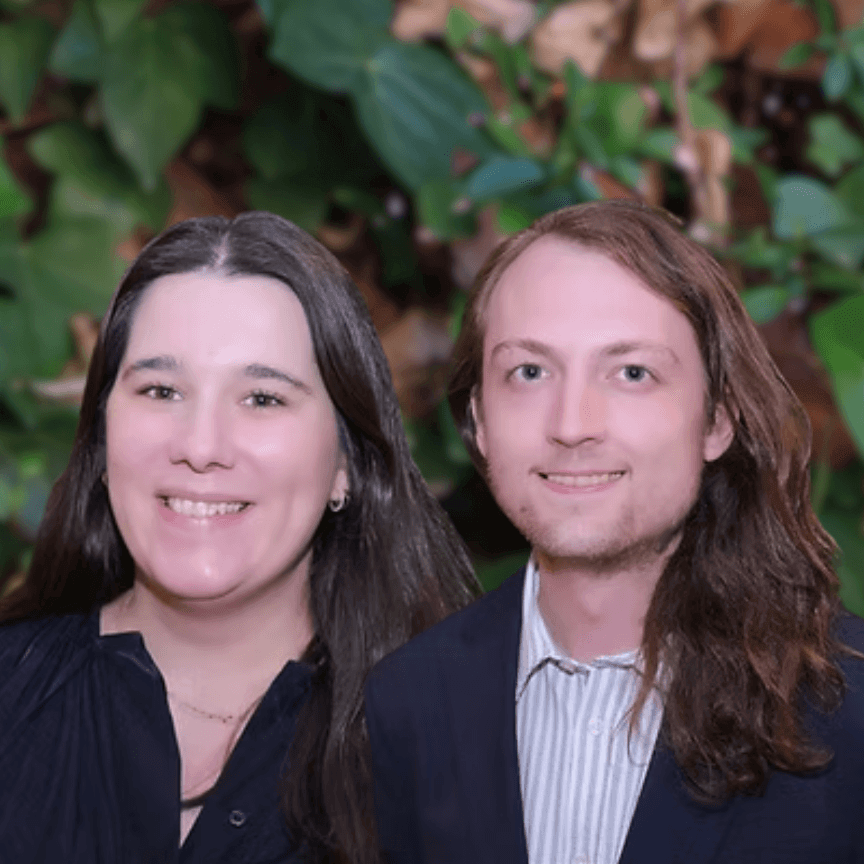
In a humanitarian emergency, it is necessary to listen to communities, respect their dignity and trust the organisations that know the territory and work on the ground.
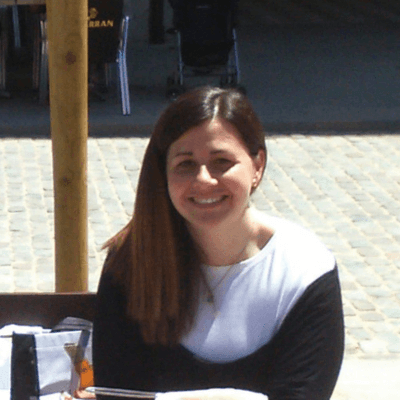
As governments around the world increase their investments in humanitarian assistance, they are recognising a simple reality: today's crises are becoming more frequent, more complex, and more interconnected.

The Fundació Salut i Comunitat (FSC) is an organization based in Catalonia that develops actions at a state level and has been actively participating in international initiatives and projects for years.

Conscious, transformative and community-based volunteering.

Wales, one of the devolved nations of the United Kingdom of Great Britain and Northern
Ireland, was the first country in the world to legislate for children’s play.

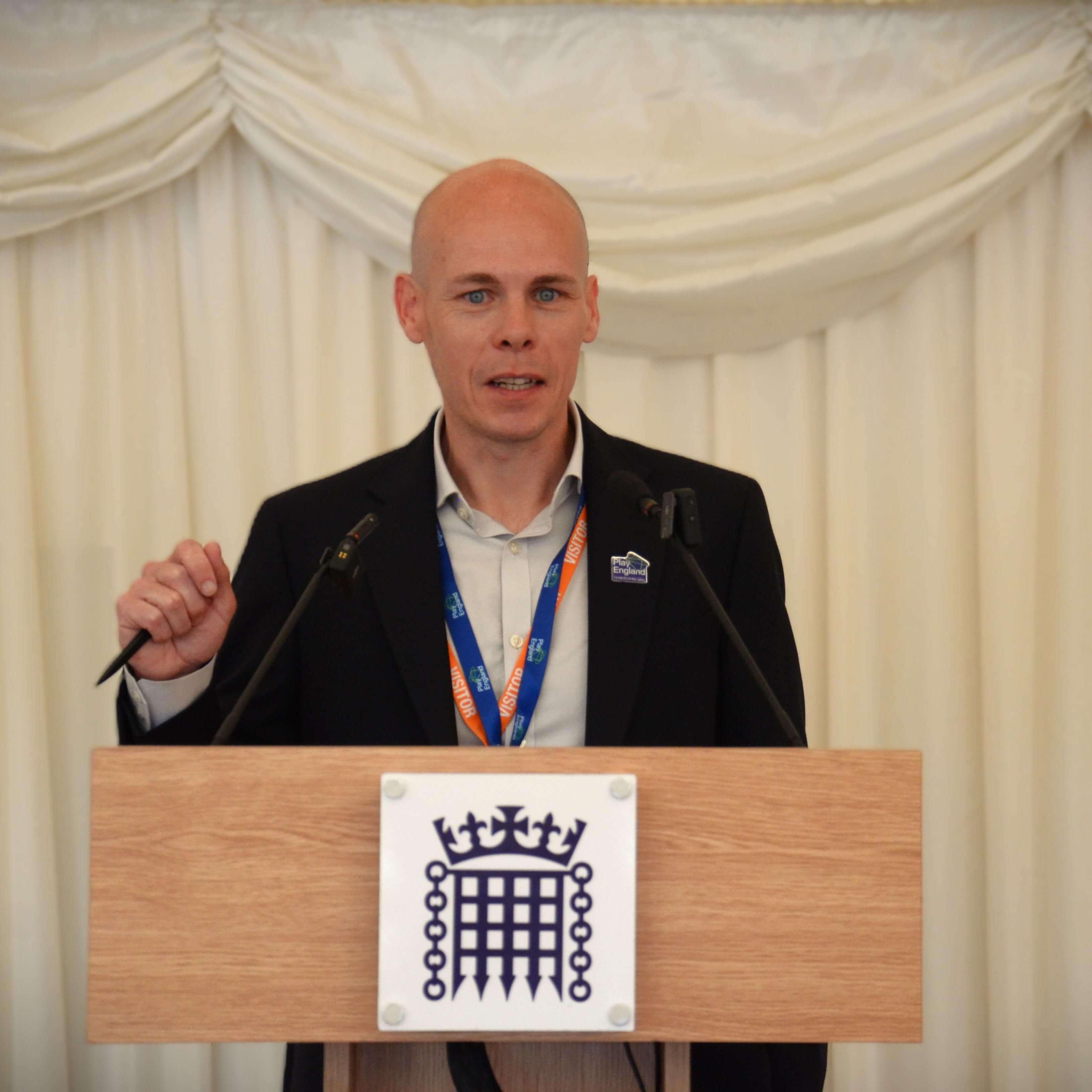
Seventeen years ago—in April 2008—the last Labour government launched England’s first, and only, National Play Strategy. Today, we learn more about what Play England is doing to help.