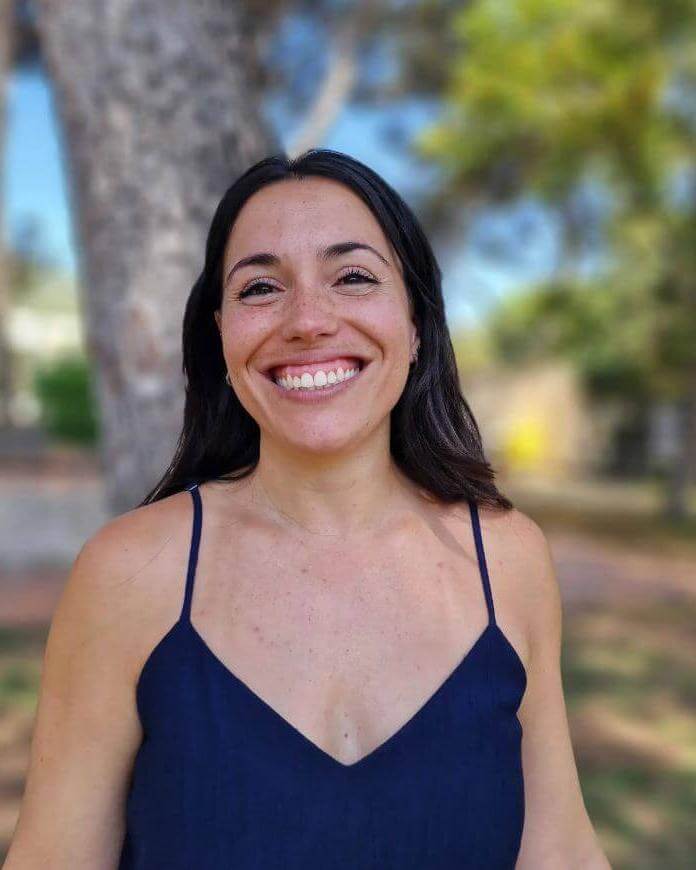
Social entities are key spaces for detecting and preventing emotional distress in young people, especially in a context marked by the impact of social networks.
Volunteering is a space for growth and development of oneself and society. It is an opportunity to act in solidarity, to contribute to our communities, learn and connect with other people.
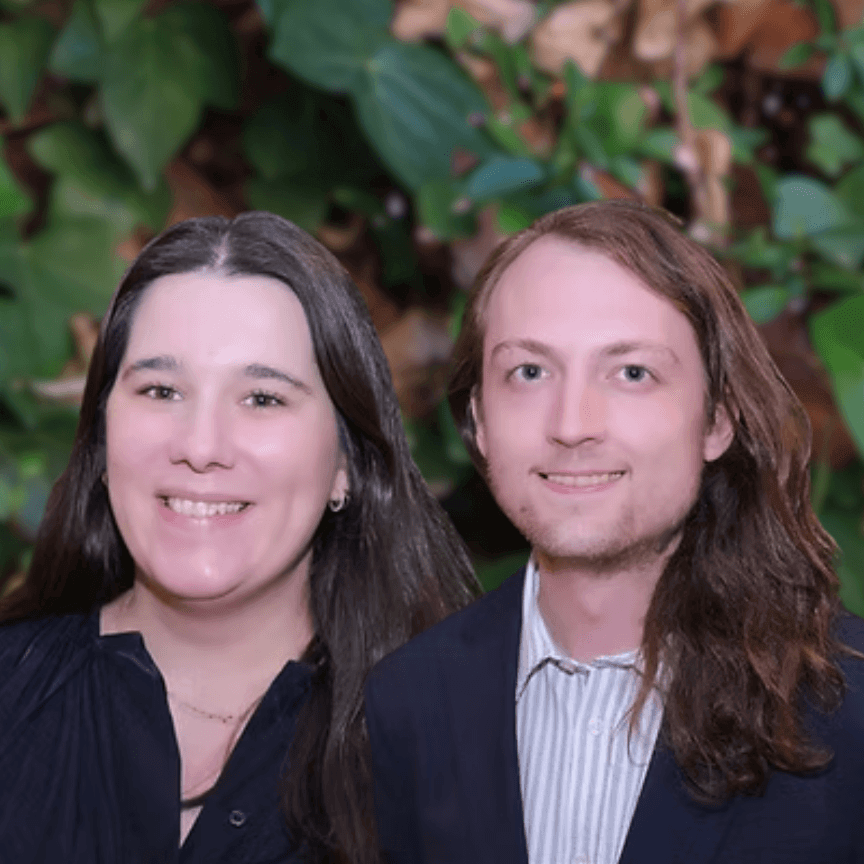
In a humanitarian emergency, it is necessary to listen to communities, respect their dignity and trust the organisations that know the territory and work on the ground.
As governments around the world increase their investments in humanitarian assistance, they are recognising a simple reality: today's crises are becoming more frequent, more complex, and more interconnected.

"Not necessarily a space with swings and goals, but places where you don't have to produce, compete, buy or demonstrate anything. A bench in the square. A library. A neighborhood association."

On 17 January, a new global treaty entered into force that finally allows countries to establish marine protected areas on the high seas—ocean regions that lie beyond the jurisdiction of any single nation.
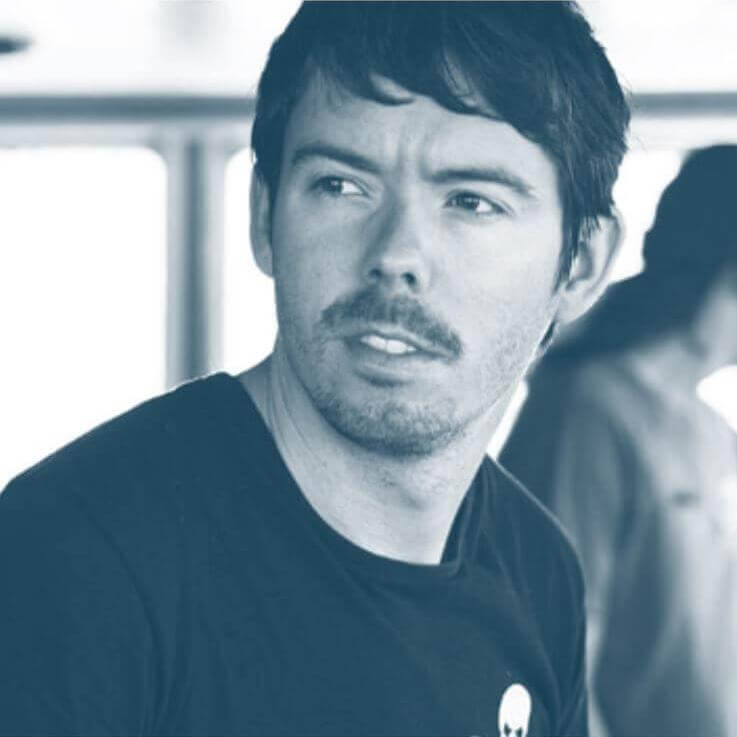
Youth literature can help LGBTI youth recognize themselves without feeling exposed. Reading stories about identity, doubt, fear, and hope can open up necessary conversations with families, teachers, and educational settings.
The Obre't Ebre Association is one of the entities that promotes the SIDE project with the aim of improving job placement programs through an active learning methodology adapted to all contexts.
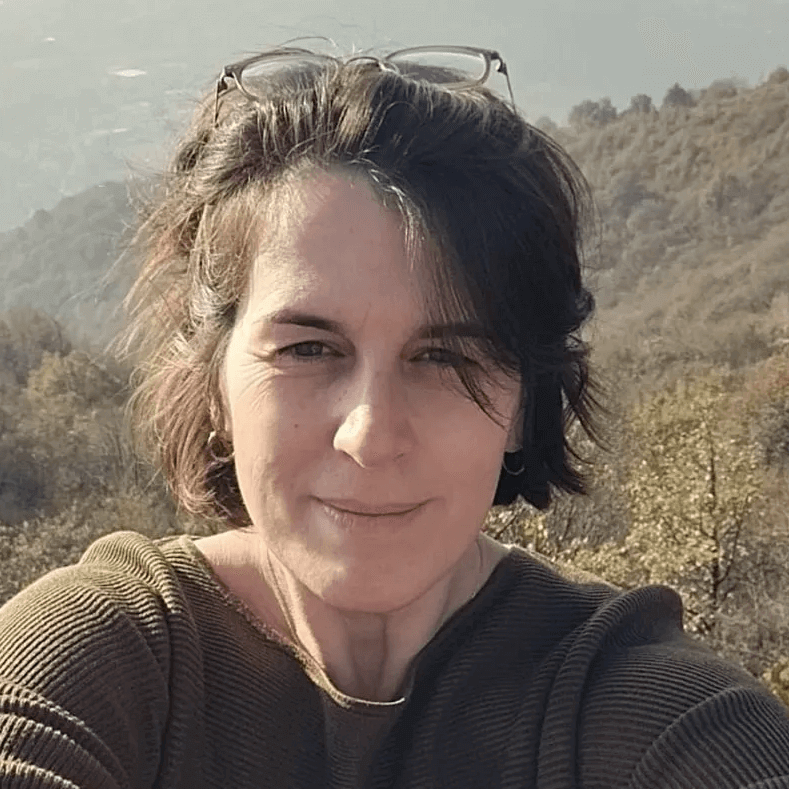
While tattooing has become a global art phenomenon, few know it's also fueling grassroots humanitarian efforts. Tattooists for Peace turns this modern art into a lifeline for those in crisis.

Fundació ACSAR calls for a political and social debate on migration in catalonia.
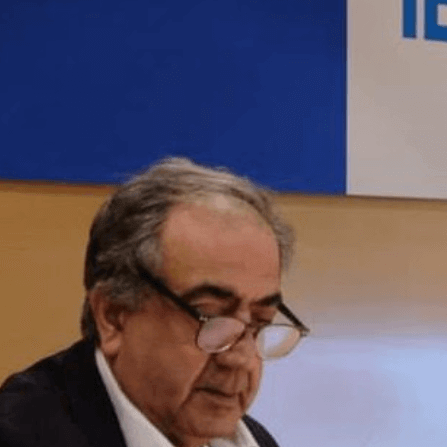
In just over a year, families, professionals, and public opinion have converged on a single demand: postponing the arrival of the smartphone until the end of adolescence.