
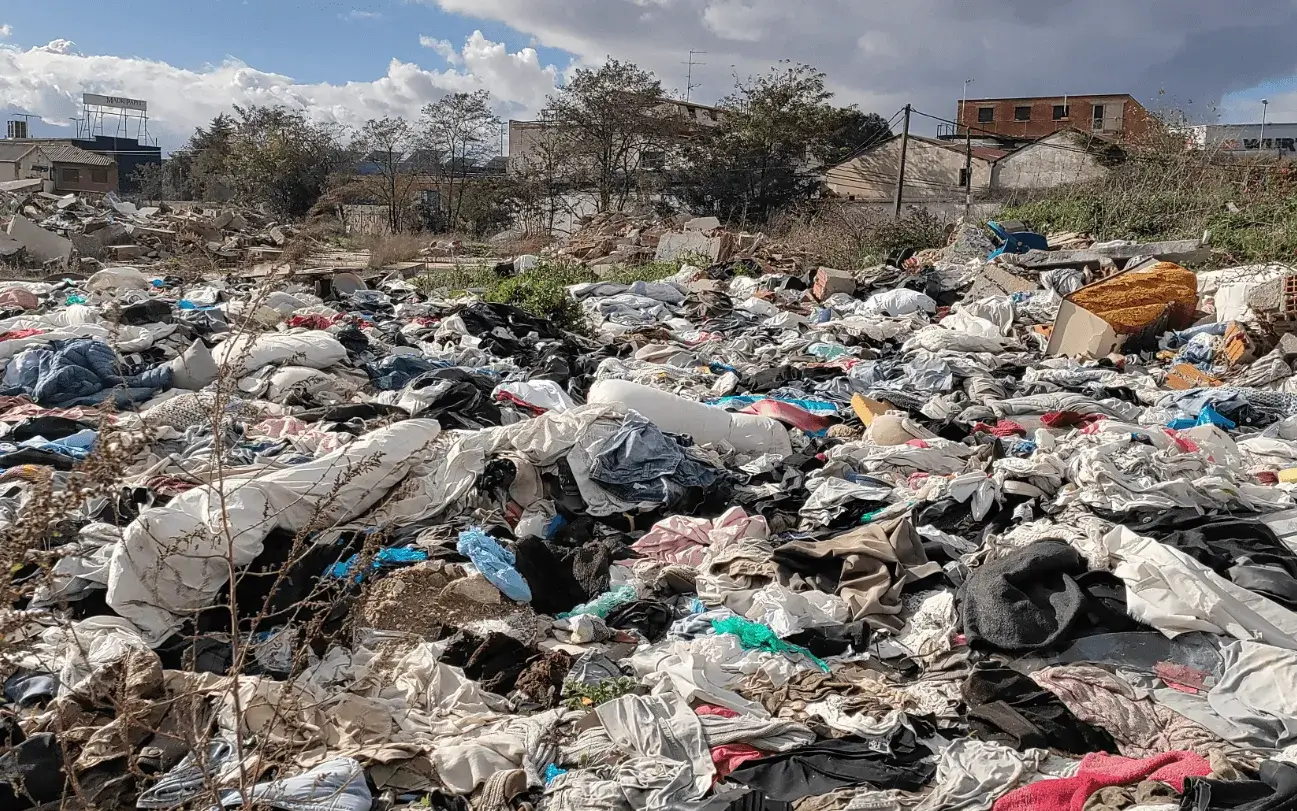
The European Union has approved new regulations that will prohibit the destruction of unsold clothing and accessories by many companies in the textile sector.
The measure is part of the Regulation on Ecodesign of Sustainable Products (ESPR) , an initiative that seeks to reduce waste, promote more efficient use of resources and move towards a more circular economy.
The ban will mainly affect large companies in the sector , which will no longer be able to destroy new clothing and footwear that have not been marketed. They will also have to make public information on the management of their surpluses, which will increase transparency and accountability. Small and medium-sized companies will have a transitional adaptation period, while micro-enterprises will be exempt.
The initiative responds to a growing problem. Every year, millions of new clothes are discarded without being used, despite the fact that the textile industry is one of those that generates the highest environmental impact due to the intensive consumption of water, energy and raw materials, as well as greenhouse gas emissions and waste generation.
An opportunity for textile reuse entities
In Catalonia, several organizations have been working for years to ensure that clothes have a second life and do not become waste. The new European regulations could strengthen this model and open up new opportunities to increase the reuse and preparation for reuse of textile surpluses.
One of the benchmark initiatives is Roba Amiga , a cooperative formed by insertion companies that promote the collection, classification, reuse and recycling of used clothing. The project combines environmental protection with the socio-labor insertion of people in vulnerable situations.
Among the entities that form part of it are the Fundació Formació i Treball , Solidança , Fundació Engrunes , Andròmines , Recibaix and TAPÍS , which develop social and solidarity economy projects linked to the management of textile waste. Through second-hand stores, sorting plants and employment programs, these organizations contribute to reducing the environmental impact of textile consumption while generating job opportunities for people at risk of social exclusion.
The ban on destroying unsold stocks may encourage some of these products to be destined for reuse, donation or social sale channels, rather than becoming waste. This reinforces a model that third sector entities have been demanding for years: prioritizing reuse over recycling or disposal of products.
Towards a circular economy
The ban is part of the European strategy to transform the textile sector into a more sustainable industry. In addition to preventing the destruction of new products, the EU is promoting measures to improve the durability of items, facilitate their repair, promote eco- design and increase the responsibility of companies throughout the entire life cycle of products.
This regulatory change also reinforces the role of the social economy in the ecological transition. Entities specializing in textile reuse have been demonstrating for years that it is possible to reduce waste, extend the useful life of clothing and, at the same time, generate inclusive and quality employment.
For citizens, the new regulation represents an opportunity to consolidate more responsible consumption habits , opting for the reuse, repair, exchange and purchase of second-hand clothing as alternatives to the single-use consumption model.


Opinion
Related content



Add new comment