
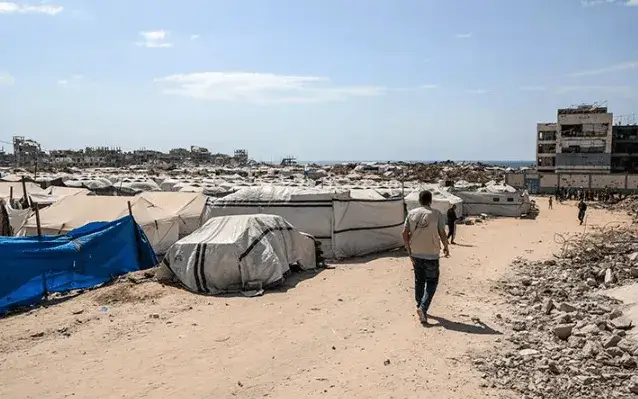
On the occasion of International Humanitarian Assistance Day on August 19, the Catalan Cooperation Fund warns that the escalation of conflicts, the climate emergency and the historic drop in funding force us to rethink the intervention model from a municipal perspective.
More than 239 million people worldwide need urgent assistance and protection , a critical number caused by the proliferation of long-lasting conflicts and the increasingly severe impact of the environmental emergency. In the framework of the International Humanitarian Assistance Day , the Catalan Fund for Development Cooperation (FCCD) highlights that the sector faces a triple structural challenge: the climate crisis, the increase in conflicts and an unprecedented drop in funding.
According to data collected by the United Nations Office for the Coordination of Humanitarian Affairs ( OCHA ), more than 130 active conflicts have triggered severe food insecurity —which already affects 295 million people— and have forced more than 117 million people to flee their homes in highly vulnerable settings such as Sudan, Gaza, Ukraine, Haiti or the Democratic Republic of Congo.
The fall in funding impacts the local fabric
This multiplication of needs coincides with a worrying turning point: the humanitarian system suffered the largest global funding reduction in its history last year .
This trend is replicated in the immediate environment. As reported by the Municipal Cooperation Observatory , Official Development Assistance (ODA) in humanitarian action was reduced by 18.5%, while municipal public funds allocated to emergencies fell by 4.1% . This cut requires the establishment of extreme prioritization criteria and the strengthening of the efficiency of available resources.
Beyond relief: advocacy and a rights approach
In its analysis, the Catalan Fund recalls the substantial difference between specific relief and comprehensive humanitarian support . Currently, the sector's work is not limited to the delivery of basic necessities, but has become a key tool for political denunciation, prevention and defense of International Humanitarian Law .
Faced with the growing politicization of aid, the entities reaffirm the validity of their founding principles — humanity, neutrality, impartiality and independence — and move towards a model of anticipatory action , empowering local communities before disaster strikes.
The key role of Catalan municipal cooperation
The Catalan Fund manages between 50% and 60% of the funds that Catalan city councils dedicate to emergencies . By supporting organizations on the ground and focusing on the localization of aid, municipal cooperation keeps several priority lines of action open:
Human mobility and refuge: Response to forced displacement through the Món Local Refugi campaign .
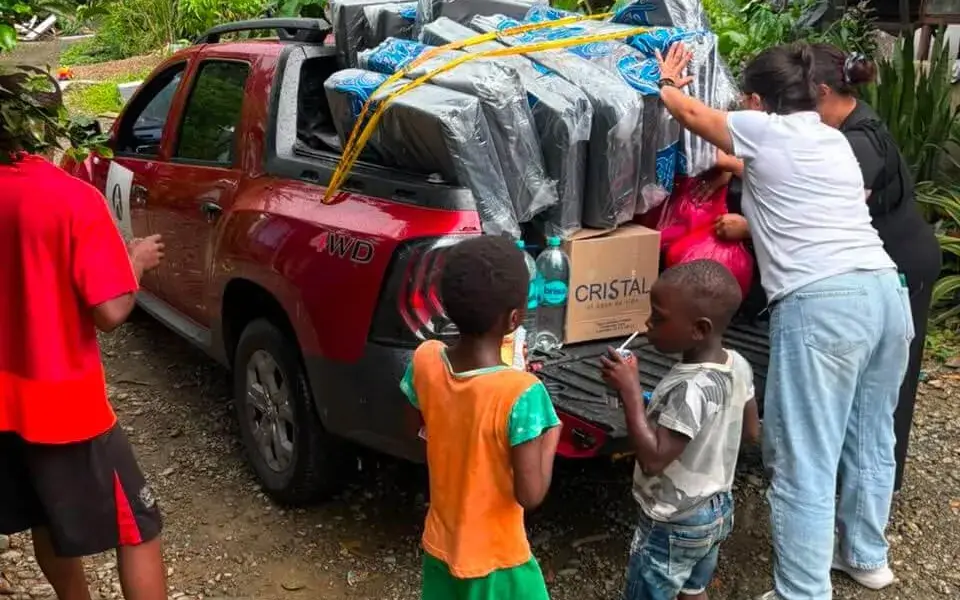
Emergencies: Immediate attention in natural disasters or crises caused by human action in areas with previous alliances.
Forgotten crises: Channeling sustained funds into contexts that have lost media attention, such as the Sahrawi refugee camps in Tindouf, Lebanon or Palestine.




Add new comment