
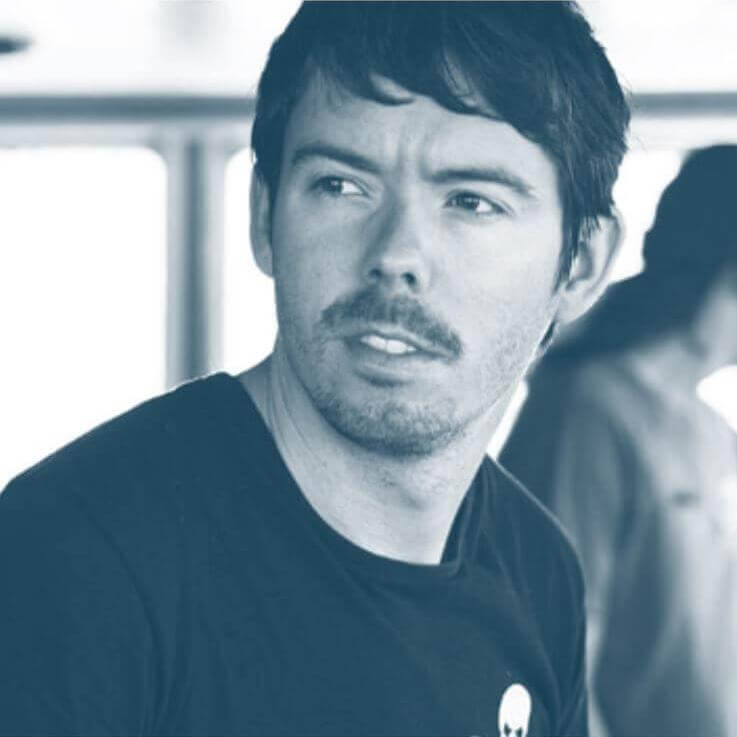
In a humanitarian emergency, it is necessary to listen to communities, respect their dignity and trust the organisations that know the territory and work on the ground.
As governments around the world increase their investments in humanitarian assistance, they are recognising a simple reality: today's crises are becoming more frequent, more complex, and more interconnected.

"Not necessarily a space with swings and goals, but places where you don't have to produce, compete, buy or demonstrate anything. A bench in the square. A library. A neighborhood association."

On 17 January, a new global treaty entered into force that finally allows countries to establish marine protected areas on the high seas—ocean regions that lie beyond the jurisdiction of any single nation.
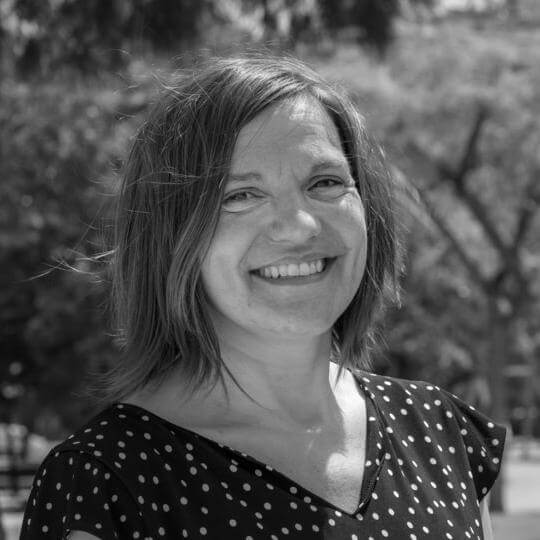
Youth literature can help LGBTI youth recognize themselves without feeling exposed. Reading stories about identity, doubt, fear, and hope can open up necessary conversations with families, teachers, and educational settings.
Given the climate emergency situation we are going through, and in the local/global context of urban population growth, it is urgent to seek solutions that mitigate the impacts of climate change on people's lives.
Across the European Union (EU), the legitimacy of civil society organisations is being increasingly questioned, at a moment when democracy needs them the most.
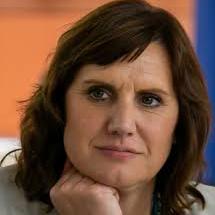
Reis highlights the significance of international collaboration within the third sector, particularly between Catalonia and Portugal, to address shared challenges such as social inclusion and housing issues. It emphasizes the need for fostering meaningful dialogue and collaboration to effectively tackle these pressing societal concerns.
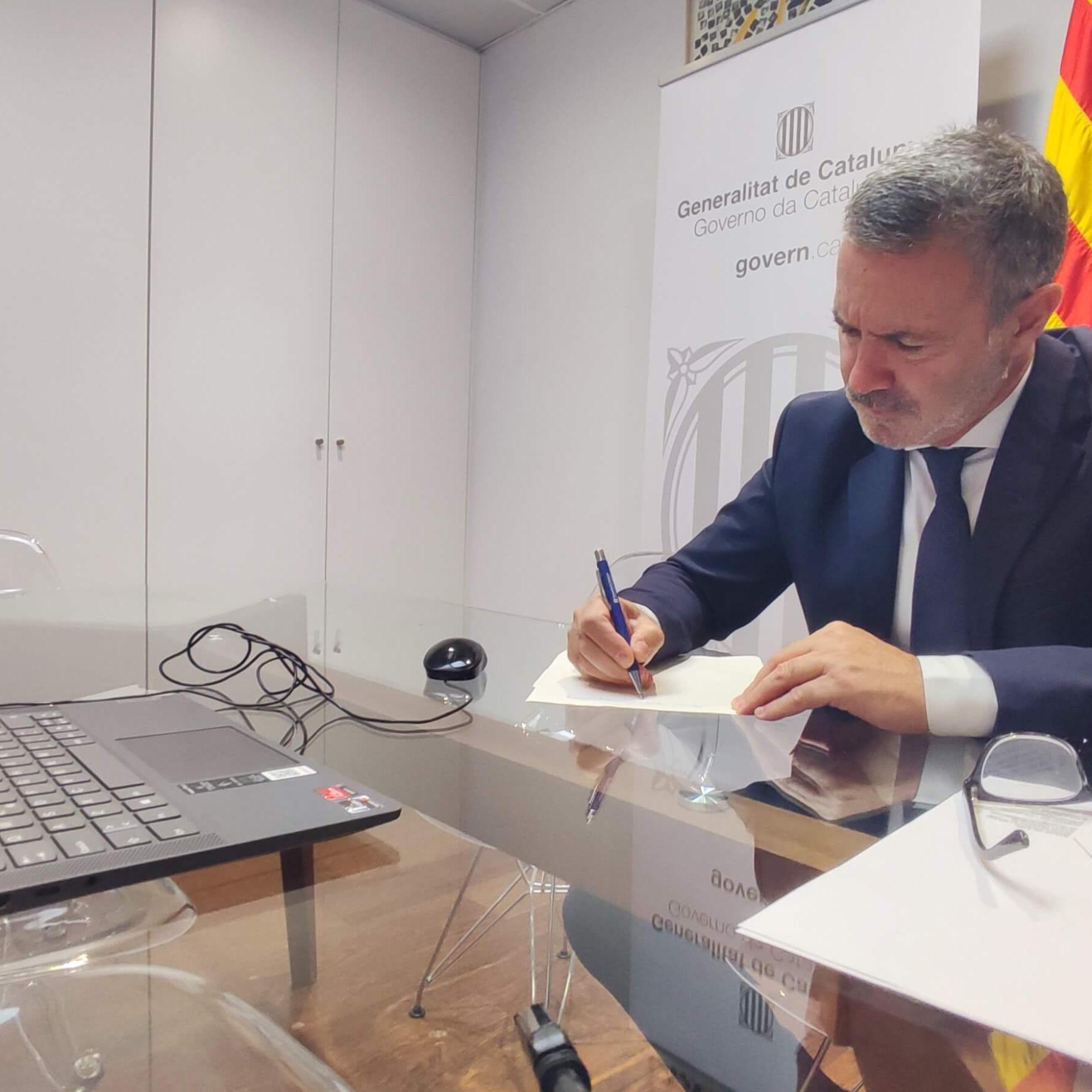
Today is always the most complicated moment, because it is what we have to manage. But just by looking at this today, we can identify large blocks of work that entities should put on the table to improve and have a future.
"We have to have the ability to overcome the taboos that have long led us to believe that feeling bad was bad and should be hidden."

The social economy is part of the country's roots and identity and constitutes an enormous heritage of society that needs to be promoted.