Social entities are key spaces for detecting and preventing emotional distress in young people, especially in a context marked by the impact of social networks.
Volunteering is a space for growth and development of oneself and society. It is an opportunity to act in solidarity, to contribute to our communities, learn and connect with other people.
In a humanitarian emergency, it is necessary to listen to communities, respect their dignity and trust the organisations that know the territory and work on the ground.
As governments around the world increase their investments in humanitarian assistance, they are recognising a simple reality: today's crises are becoming more frequent, more complex, and more interconnected.
"Not necessarily a space with swings and goals, but places where you don't have to produce, compete, buy or demonstrate anything. A bench in the square. A library. A neighborhood association."

On 17 January, a new global treaty entered into force that finally allows countries to establish marine protected areas on the high seas—ocean regions that lie beyond the jurisdiction of any single nation.
Youth literature can help LGBTI youth recognize themselves without feeling exposed. Reading stories about identity, doubt, fear, and hope can open up necessary conversations with families, teachers, and educational settings.
When things go wrong and in emergency situations, volunteers are always there. But it is also there when he repairs the net every day, full of unstitched and more or less visible strips.
Citizen science is defined as an emerging trend in the ways of doing science. Efforts draw on citizens’ involvement in research tasks. This may range from identifying a problem that needs solving, defining research, data collection, data interpretation and transforming these interpretations into actions.

Every day we read more and more headlines on cyber-risk and network security for companies and institutions of all sorts; articles warning on the growing number of attacks around the country and alarming news on organizations experiencing hacking with confidential data stolen or encrypted and falling into the hands of cybercriminals or left exposed.
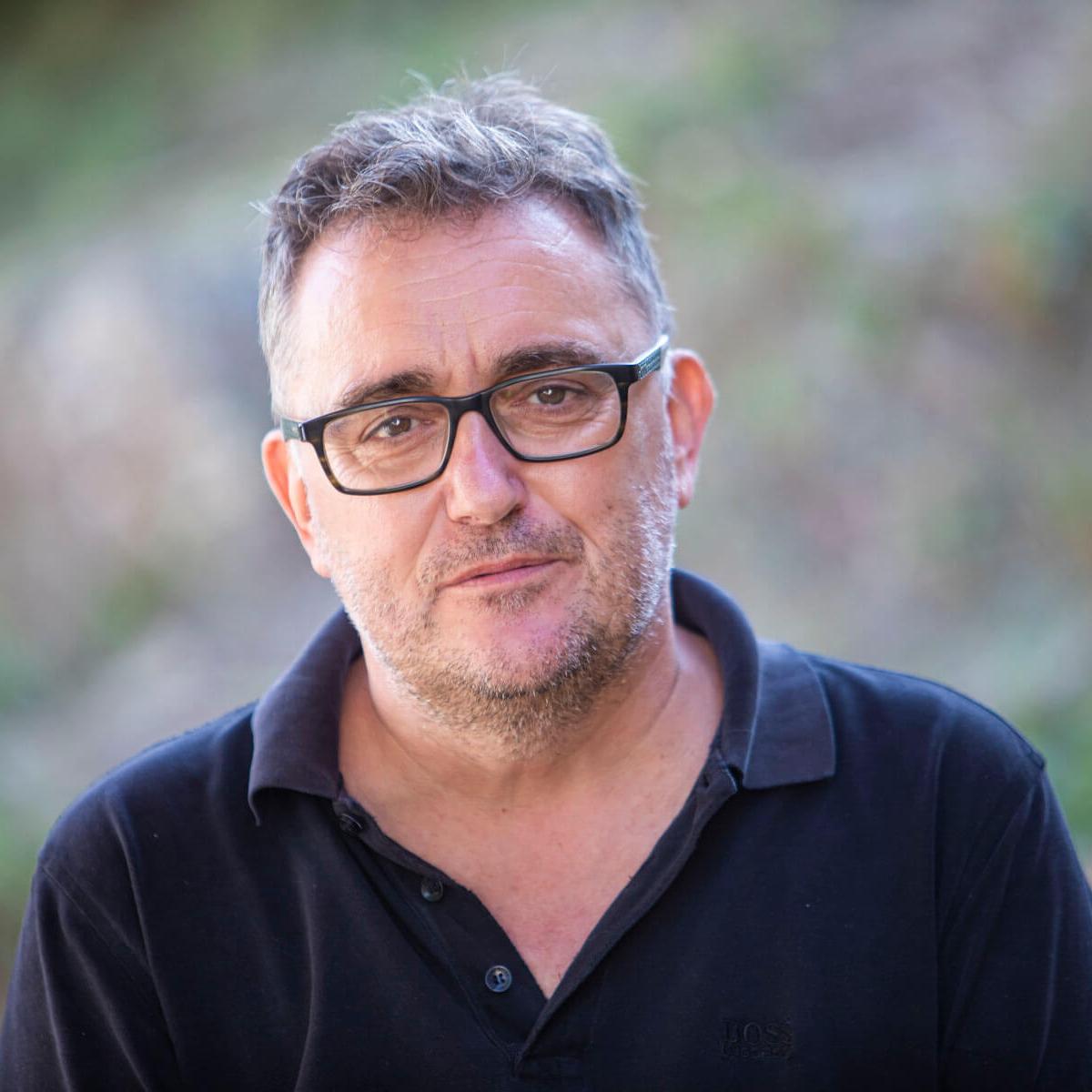
David Karvala and Julie Sherry, joint coordinators of World Against Racism and Fascism (WARAF), comment on the challenges around the world, and how this network is responding.