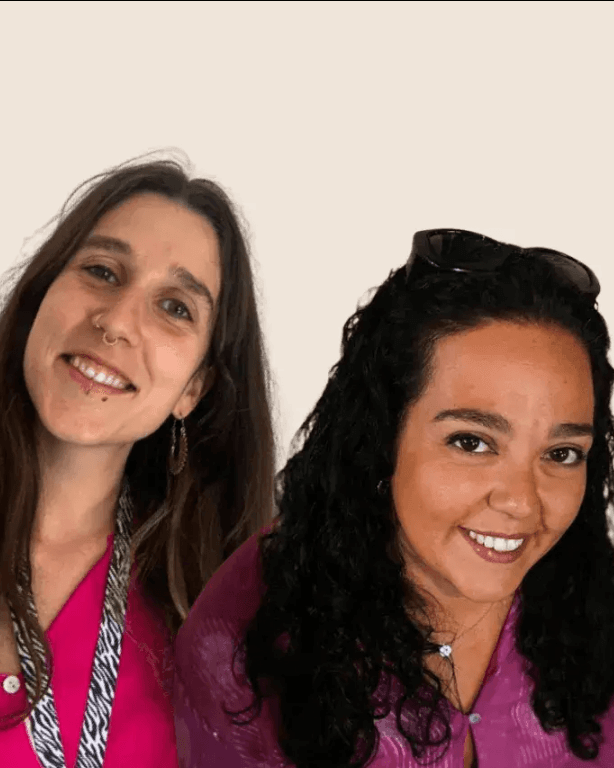
When a child understands why a rule exists, it is easier for them to make it their own and incorporate it as part of their way of relating to others.
Social entities are key spaces for detecting and preventing emotional distress in young people, especially in a context marked by the impact of social networks.
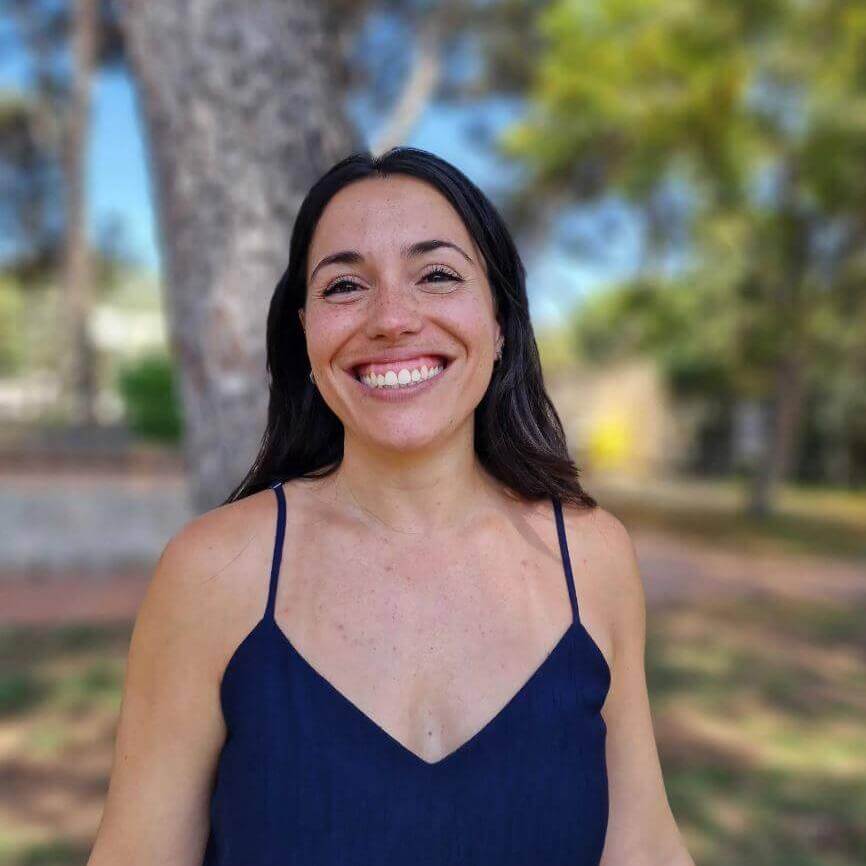
Volunteering is a space for growth and development of oneself and society. It is an opportunity to act in solidarity, to contribute to our communities, learn and connect with other people.
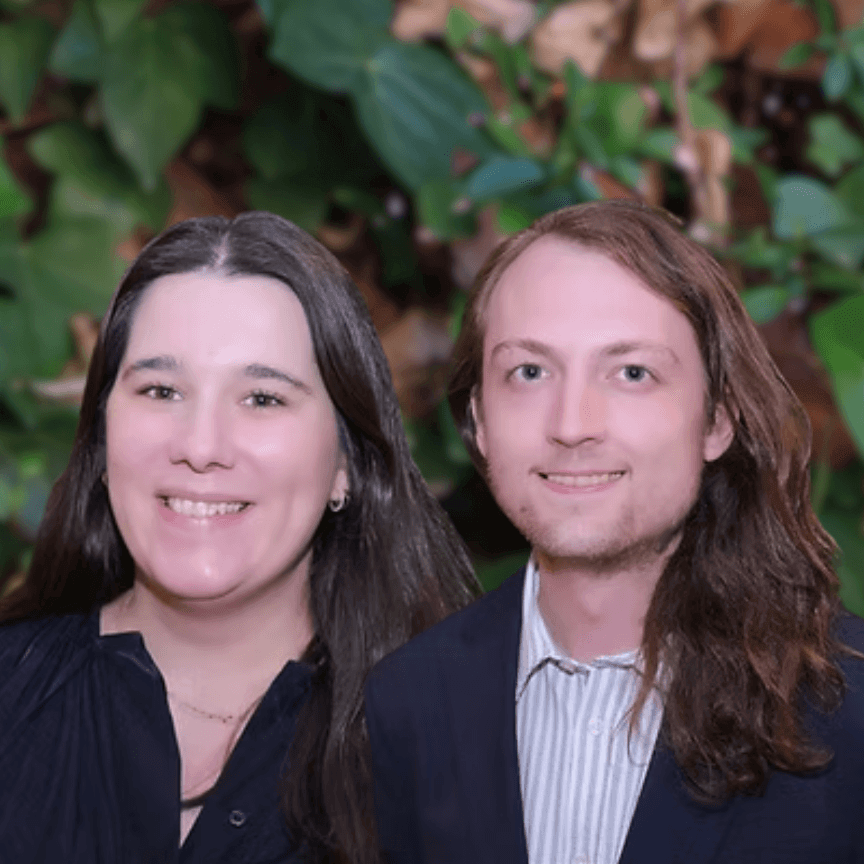
In a humanitarian emergency, it is necessary to listen to communities, respect their dignity and trust the organisations that know the territory and work on the ground.
As governments around the world increase their investments in humanitarian assistance, they are recognising a simple reality: today's crises are becoming more frequent, more complex, and more interconnected.

"Not necessarily a space with swings and goals, but places where you don't have to produce, compete, buy or demonstrate anything. A bench in the square. A library. A neighborhood association."

On 17 January, a new global treaty entered into force that finally allows countries to establish marine protected areas on the high seas—ocean regions that lie beyond the jurisdiction of any single nation.
Traffickers and exploitation networks take advantage of the despair of the population leaving their homes.

Even if the war stops today, complex health-related challenges will linger, and Ukrainian health authorities will require a major external investment to rebuild their health care system.

In a country full of racism, classism, coloniality and exclusions, aren't large doses of love essential to overcome them? Is it not necessary to remind ourselves every moment that ‘I am because we are’?