-
Image

Rescue operation in Lesbos. Source: ASL
We speak to the president of Acció Solidària i Logística about emergency response and the challenges of recovery after a disaster.
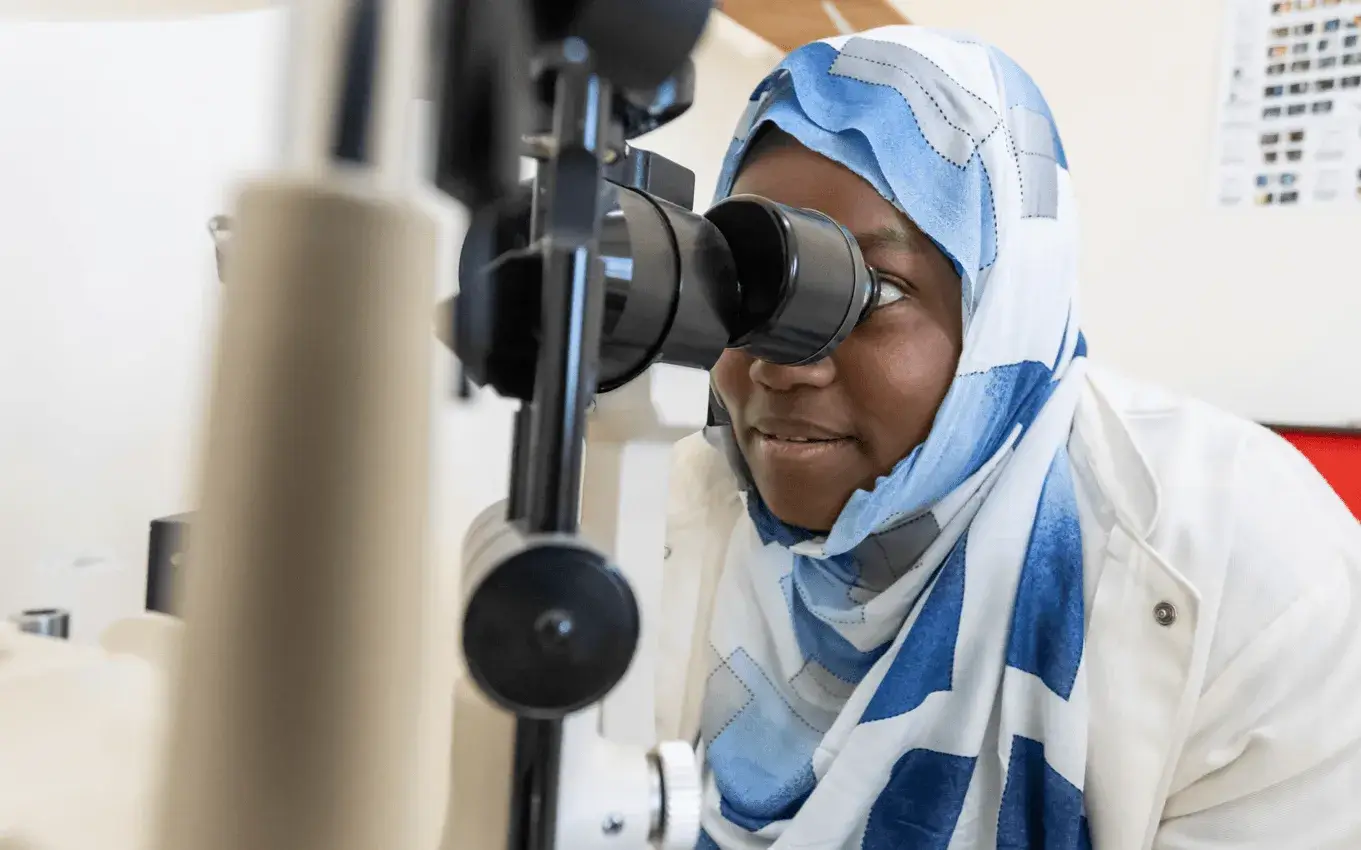
After the earthquake that struck Nepal in 2015, Acció Solidària i Logística (ASL) was one of the many organisations that stepped in, travelling to the country to help respond to the emergency. That first intervention led to a collaboration that has continued over the years. Among other initiatives, the organisation took part in rebuilding the Braille school and the hostel in Akkare Bazar, both of which were recently destroyed by flooding. ASL has therefore launched a fundraising campaign to rebuild them.
ASL has close ties to the firefighting community and has responded to emergencies in different countries and contexts, from rescue operations and food distribution to water purification and reconstruction. We speak to its president, Agustí Pallarès, about how the organisation decides where and how to intervene, the difficulties a small NGO faces on the ground, and how recovery is tackled once the initial emergency phase has passed.
You have responded to several emergencies. Which interventions stand out or do you remember most?
There have been several. ASL is an NGO with close ties to firefighters and, from the outset, our objectives included not only international cooperation but also emergency response and support for fire services. International cooperation is more gradual; it moves at a different pace and takes a longer-term view. An emergency, on the other hand, is an emergency: you have to get there straight away, and you need to be prepared beforehand. That is why we created an emergency response team, which more or less made its debut in the aftermath of the 2015 Nepal earthquake. When the earthquake itself struck, we did not yet have the capacity to respond.
What was that first intervention in Nepal like?
We went there less than a month after the first major earthquake. We experienced aftershocks and were there for almost four months, with three different teams. After that intervention, we continued working in Nepal on cooperation projects. Now, the flooding has swept away a school affected by the 2015 earthquake that we had almost completely rehabilitated. We will try to rebuild it, although we will have to consider other options because the site has been badly affected. The problem, however, is still there.
What did you find when you arrived in 2015?
I was part of the first four-person team that went there. Many people in the NGO had already been to Nepal for tourism or sporting reasons, particularly mountaineering, so it was a country we were somewhat familiar with. We felt a moral obligation to go.
When you respond to an emergency somewhere you do not know, one of the first difficulties is understanding how the country works, who can help you, who you can rely on and what you can actually do. In this case, we had local contacts, mainly through tourism and expedition agencies, and we also contacted several NGOs. Even so, we were a little lost at first until we were able to find our focus.
Once you were on the ground, what did you focus on?
We carried out several emergency interventions. For example, we recovered a huge quantity of rice from a warehouse that was surrounded by rubble and could not be accessed. We had to get in from underneath to retrieve it, because all that rice could not be allowed to go to waste.
As we made contact with local people and other NGOs, we began identifying other problems and focused mainly on shelter. Large areas of Nepal had been cut off. Other groups were handling rescue operations, but there were all those people who had survived and needed food and somewhere to stay.
How did you respond to the need for shelter?
We built shelters using corrugated metal sheeting and pipes. We designed a structure like a semicircular hangar that was very easy to build and relatively inexpensive, and we built many of them in different places where people’s homes had been destroyed and there was no capacity to rebuild.
They were emergency shelters, but months later there were still people living in them, particularly older people, who ended up spending the rest of their lives there. An emergency shelter ended up becoming their home. I’m sure that if we went back to that area now, we would probably still find some of them.
When you decide to respond to an emergency, how do you identify what is most needed and what you can contribute?
We start with our own capabilities. We are a small NGO and our financial capacity is limited, so we have to work within the resources and the kind of volunteers we have. We cannot, for example, provide a medical intervention if we do not have people trained to do so. We do not have the capacity of organisations such as Metges Sense Fronteres or the Creu Roja. We try to reach places or address needs that these larger organisations may not be able to cover.
What can an organisation like yours contribute that larger organisations perhaps cannot?
We have even received financial support from Metges Sense Fronteres for some interventions. Because of the way they work or their procedures, they may have the funds but not necessarily the capacity to respond to a very specific need. That is where an organisation like ours can play a role.
We are a small NGO and we have our limitations, but we try to identify specific problems and see whether we can address them with the capabilities we have.
And how do you decide what kind of team you need for each intervention?
It depends on the problem we have identified. We have usually sent nurses, firefighters or people with the skills needed to address a specific need. If you can improve the response to an emergency by repairing two broken-down trucks, then what you need is a mechanic. If those trucks start running again, you can improve assistance for the entire affected population.
In the end, the specific tasks are defined on the ground.
We also have experience and equipment for water purification. In Nepal, for example, we initially went with four firefighters and, as more teams arrived and we established contacts, the tasks gradually became clearer. These included clearing rubble and rebuilding the Braille school and the hostel in Akkare Bazar, which have now been swept away by the flooding.
How have you applied this way of working in other emergencies?
We try to work mainly in logistics, but we can also provide support in healthcare or food distribution. In Idomeni in 2016, for example, we took part in a project distributing food to refugees.
And you have also worked in rescue operations.
Yes. A few months earlier, we had been on Lesbos, at the Korakas lighthouse, where some people were arriving at night, drawn by the lighthouse beam, in an area of cliffs. We set up a rescue operation and secured ropes so that we could get them out of there.
Ultimately, we try to identify a specific problem and tackle it using the capabilities we have. We are a small NGO and we have always had limitations, but we have been able to carry out effective interventions.
To what extent can you prepare an intervention before travelling?
You always have to adapt. Sometimes you may have identified the problem and a possible solution, but normally you arrive on the ground and find a chaotic situation. That is why we try to send more experienced people first, so they can assess how we can help based on our capabilities.
In Valencia, for example, I barely set foot in the mud. My job was to take part in a lot of meetings until we could determine what our intervention would be. In the end, we set up a food distribution point.
What determines what kind of team you can send?
Above all, financial resources. If we had more money, we could send larger teams, with more people, tools or machinery. Depending on the intervention, we can also put out a call for doctors, nurses or other professionals we need, and these groups usually respond very well.
But the main limitation tends to be financial. An intervention costs a lot of money when you take into account travel, insurance and all the logistics involved. Unfortunately, that ends up being the main barrier.
And what do you need in order to work on the ground?
First, we have to identify what we can do with the financial resources and people we have, because there are things we simply cannot take on. But we also have to look after the logistics of the team itself. We need somewhere to sleep, food and somewhere to rest. If the team is not in good shape, it cannot respond effectively.
All of that also requires money, time and people to organise it. And it varies greatly depending on the emergency and the country. In Honduras, for example, we have been working for many years, we have contacts and we can arrange accommodation for our teams. Arriving in a country where you have never worked before is much more difficult.
Regarding the flooding in Nepal, how do you approach having to rebuild a place you had already helped to build?
There is no other option. Since the 2015 earthquake, we have maintained our ties with Nepal and continued carrying out small interventions there. The same thing happened to us after the earthquake in Morocco. You go there because of an emergency, but then you stay involved and continue working with people there.
I joke that it is a flaw of ours, because it costs a lot of money and expanding our capacity to work is not easy. This flooding has affected many people in the NGO who took part in the earthquake response or who have been to Nepal since then. Several electricians connected to our organisation, for example, took part in rebuilding the school in Akkare.
The need is still the same.
Yes. After an emergency, the needs are still there. In this case, the facility has been destroyed, but the children still have visual impairments and still need this space. The others managed to escape uphill and save themselves, but one boy from the group is still missing.
That is why we feel a moral obligation to address it. We have launched a campaign and the response from people within the NGO has been very positive. Our reach is limited and we struggle to reach the wider public, but colleagues, relatives and members have made donations. We will also allocate some of our emergency funds to it. With that, we have to start doing something.
What stage has the reconstruction reached?
The situation is complicated because the flooding has swept everything away, including bridges and roads, making it difficult to reach the area. The exact site where the school stood has been completely devastated; it is now just a pile of rocks. We believe it may no longer be a suitable place to rebuild.
We now need to find another location and speak to the authorities. We are also in contact with other NGOs in Nepal to better understand the situation and make sure the project is viable and, if possible, better than what we had before. That is where things stand at the moment.
What have you learned about what a community needs in order to recover after a disaster?
Many things are needed, and it depends greatly on the type of disaster. In some places, the shortcomings are enormous: there is a lack of public services, emergency services and resources to respond. How and where things have been built also plays a role. In Nepal, for example, during the earthquake we found houses made of stone and mud, without structures to reinforce them, which made them very vulnerable.




Add new comment