

Dream Nepal is a nonprofit organisation based in Sant Cugat del Vallès, Spain, working to ensure a dignified childhood for children whose parents are imprisoned in Nepal.
Through its MalaHome project, the organisation provides safe homes, food, healthcare, psychological support and education. With three homes and a supported apartment, Dream Nepal has already welcomed and supported more than sixty children.
How was Dream Nepal founded, and when did you first become aware of the reality faced by children living in Nepalese prisons alongside their parents?
For several years, the founders of Dream Nepal carried out voluntary work in various state-run orphanages in Nepal. There, they realised that, amongst the orphaned or abandoned children, there were others whose mothers were in prison; these children not only faced poor living conditions, health issues, inadequate nutrition and a lack of schooling, but also had no contact with their mothers. They decided that a meaningful activity to undertake with these children would be to take them to visit their mothers in prison. In the prison, they observed that there were many children of different ages living there, some quite old.
When they asked why this was the case, the mothers explained that, due to a lack of resources and for socio-cultural reasons, their relatives did not want to take care of the children whilst they were serving their sentences; furthermore, if they handed the children over to orphanages, it was highly likely they would never see them again, which is why they preferred to keep them with them. This gave rise to the idea of creating the MalaHome Project: homes where, with the mothers’ permission, their children could be cared for and guaranteed appropriate psychosocial development, whilst maintaining regular contact with their mothers and relatives, throughout the mothers’ sentences.
For many people, it may be difficult to imagine a child growing up in prison despite having committed no crime. What is the situation of these children in Nepal, and why does this reality continue to exist?
Whilst conditions in Nepalese prisons are already deplorable for inmates, they are even worse for children. There are not enough beds for everyone; they sleep on top of their mothers; food is scarce; there is no healthcare or schooling; and the violent environment in which they live shapes their future. This is due to two factors: on the one hand, the country’s structural poverty, which allocates the bare minimum to the care of prisoners; and on the other hand, the belief that they should be treated punitively. Whilst there are some state-run orphanages, conditions there are appalling, compounded by the fact that the children may never see their mothers again. If these children are not removed from prison, they grow up in a hostile environment that shapes their upbringing.
Furthermore, there is the problem of reintegration: when children who have lived in prison with their mother are released – whether before or at the same time as her – their reintegration into the outside world becomes a difficult experience, as they must reconnect with their families and a social environment from which they have become disconnected or which they have never known, and for which, in any case, they are unprepared. Added to this is the social stigma of having been in prison and of having a mother who is a criminal. In many cases, for this reason, they are disowned by their own family and even abandoned by their father.
Another problem associated with release from prison is the child’s tendency to commit crimes and return to prison, caused in part by the fact that this is the way of life they have heard about whilst in prison, and partly because prison is the only environment they have ever known and to which they wish to return because they feel ‘protected’; consequently, the fact that the children of imprisoned mothers remain with them throughout their sentence becomes a breeding ground for new offenders and socially excluded individuals who will contribute to the country’s social decline.
What does it mean, in practical terms, to take a child out of prison? What is the process from identifying a case to welcoming the child into one of the MalaHome homes?
On a regular basis, and in consultation with the prison authorities, female prisoners are informed of the possibility of having their child placed outside the prison, in the care of MalaHome, where the child’s welfare will be guaranteed whilst they serve their sentence. If the mother agrees, she signs a consent form and this is communicated to the prison authorities, who then issue the necessary authorisation for the child to be placed in care. There is a body called the Social Welfare Council which is responsible for periodically inspecting the foster homes and verifying, amongst other things, that the children are actually there and that their rights are being safeguarded.
MalaHome is much more than just a place to live. What kind of support do the children receive in their daily lives, particularly in terms of education, healthcare and psychological wellbeing?
At MalaHome, the children in care receive all the support they need to ensure their psychosocial development is appropriate in every respect:
- They live in a safe home, sleep in a bed, and have clothes and toys.
- They undergo regular medical check-ups by the organisation’s GP to detect minor ailments; they are treated at home or, if necessary, in hospital for any possible illness or injury; they are vaccinated; their dental health is looked after; and they are provided with glasses if they need them.
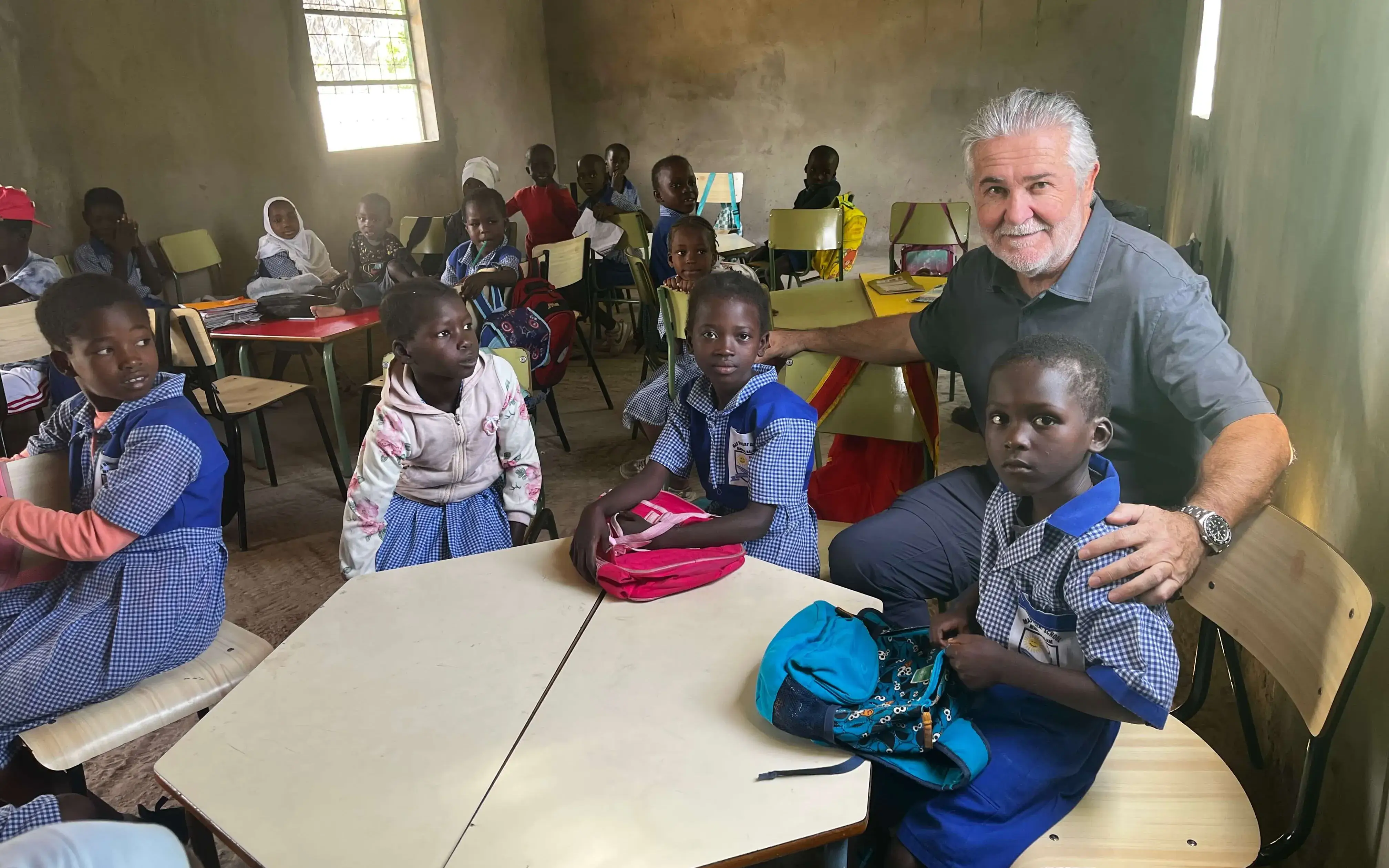
- They attend school regularly alongside other children who are not the children of prisoners and receive extra tuition in subjects where they need it. Those who are not yet of school age or who arrive from prison with educational gaps attend a nursery.
- They take part in extracurricular sporting and cultural activities organised by Dream Nepal or by the school.
- They enjoy recreational and cultural outings around the city.
- They visit their mothers in prison on a regular basis and receive visits from family members.
In terms of psychological care, they are looked after by the team of carers, the headteacher and the nursery teacher, who provide them with the necessary support.
One of the most sensitive aspects must be maintaining the relationship between children and their parents while they are serving their sentences. How do you support this relationship, and how important is it for the children's emotional wellbeing?
At Dream Nepal, we do not want children and mothers to lose their bond, as – despite the prison sentence – the relationship continues. The children are aware that their mothers are in prison for having committed a crime but that they are still their mothers; and the mothers know that their children are being looked after and that they will have them by their side once their sentence is over.
With this in mind, we strengthen the relationship through regular visits. During these visits, the children spend time chatting with their mothers, showing them drawings or photographs, showing them their new clothes, or showing them their school reports or any prizes they have won at school. Furthermore, the mothers can ring MalaHome whenever they wish to speak to their children, and once a year, by law, the children spend around ten days with their mothers in prison.
You also work to tackle the stigma that children may face because they have a parent in prison. How does this situation affect their integration into society, and how do you help them overcome these barriers?
To date, the children living at MalaHome have never experienced any form of marginalisation because of their background, but it is possible that they may face it at some point. At present, they are treated at school just like any other child, both by their teachers and their classmates, and they have friends outside MalaHome. In any case, and as a precaution, we encourage them to work hard at their studies, as only an education will enable them to break free from the cycle of poverty and marginalisation.
Dream Nepal currently has three care homes and a supported apartment for young people. What happens when the children grow up and reach adulthood? How do you support them on their journey towards an independent life?
When the children reach the age of 18 and are required by law to leave the care homes, they move on to the Youth Project, where they undertake higher education or vocational training and work part-time to build up savings. During this time, they live together and take responsibility for running the flat, so that by the time they complete their studies, they are equipped – thanks to their education – to secure decent, well-paid employment and live independently. To date, three young people have completed the entire programme; they now live independently but know they can count on Dream Nepal should any problems arise
Dream Nepal is an organisation based in Sant Cugat del Vallès, but its work takes place directly in Nepal. How do you connect the organisation's work in Catalonia with the projects and communities on the ground in Nepal?
The work that Dream Nepal carries out in Catalonia involves raising awareness of the cause and raising the funds needed to carry out projects in Nepal.
Nepal is currently facing a particularly dramatic situation following the devastating floods that have affected the country. How has Dream Nepal experienced this emergency, and what information do you have about its impact on the communities you work with?
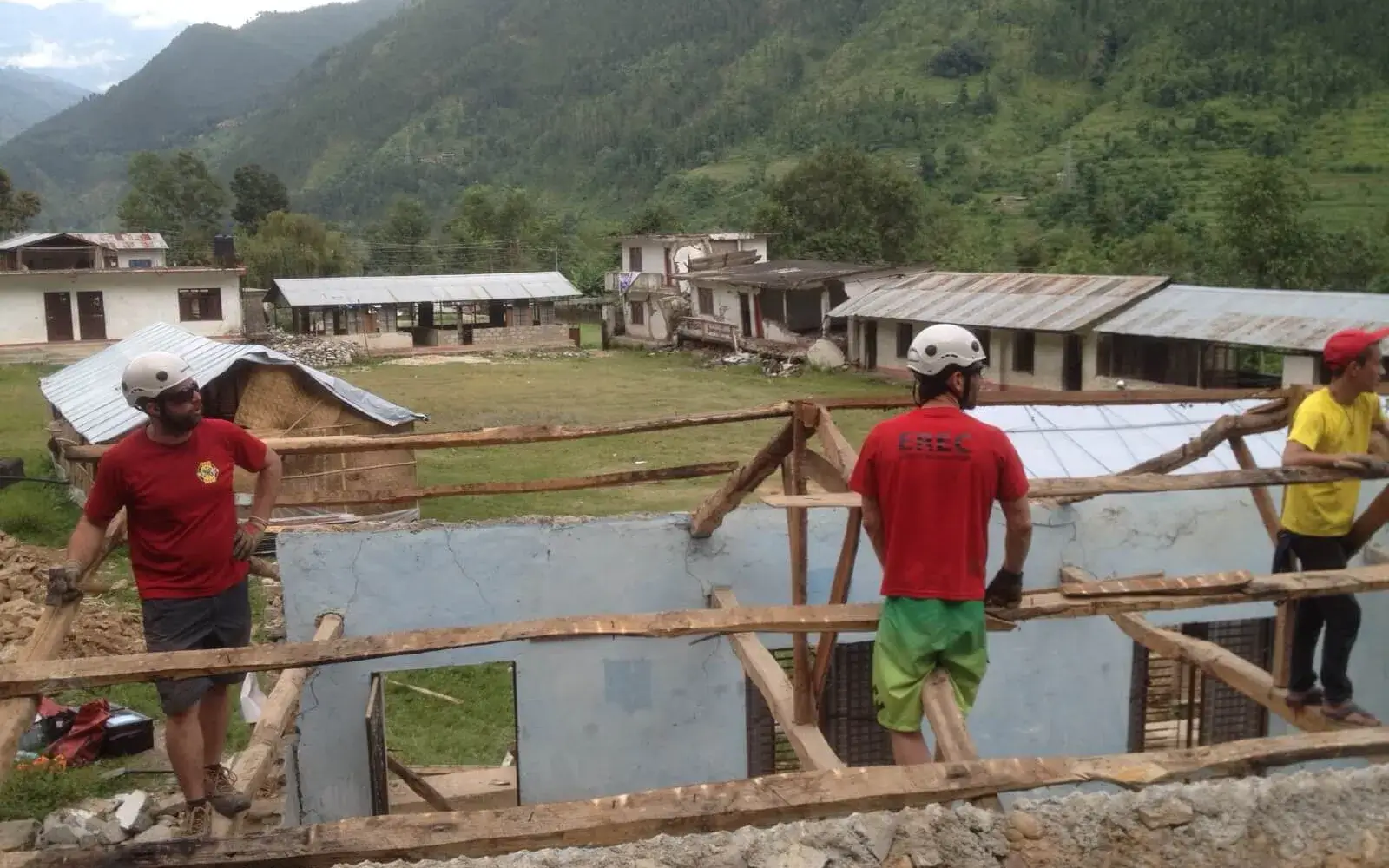
The recent dramatic floods have occurred in an area some distance from the MalaHome properties in Kathmandu. There has been no damage in our area, but we are aware that a disaster of this magnitude affects the whole country. Nepal is a poor country and all the resources that will now be channelled into assisting those affected and into reconstruction will undoubtedly be diverted away from other activities.
In emergencies like this, children and other vulnerable groups are often among those most affected. What do you believe will be the main needs of children in Nepal in the coming months, and what role can organisations such as Dream Nepal play in the recovery process?
Children in the affected areas of Nepal will need homes where they can live with their families, as well as clothing, food, hygiene items, healthcare, medicines and schools. NGOs that are familiar with and work in the area can set up reconstruction and humanitarian aid projects by channelling the financial assistance provided to them.



Add new comment