Nelson J. Ruiz: “The challenge is to consolidate Bumaro as a leading organisation for migrant communities”
-
Image
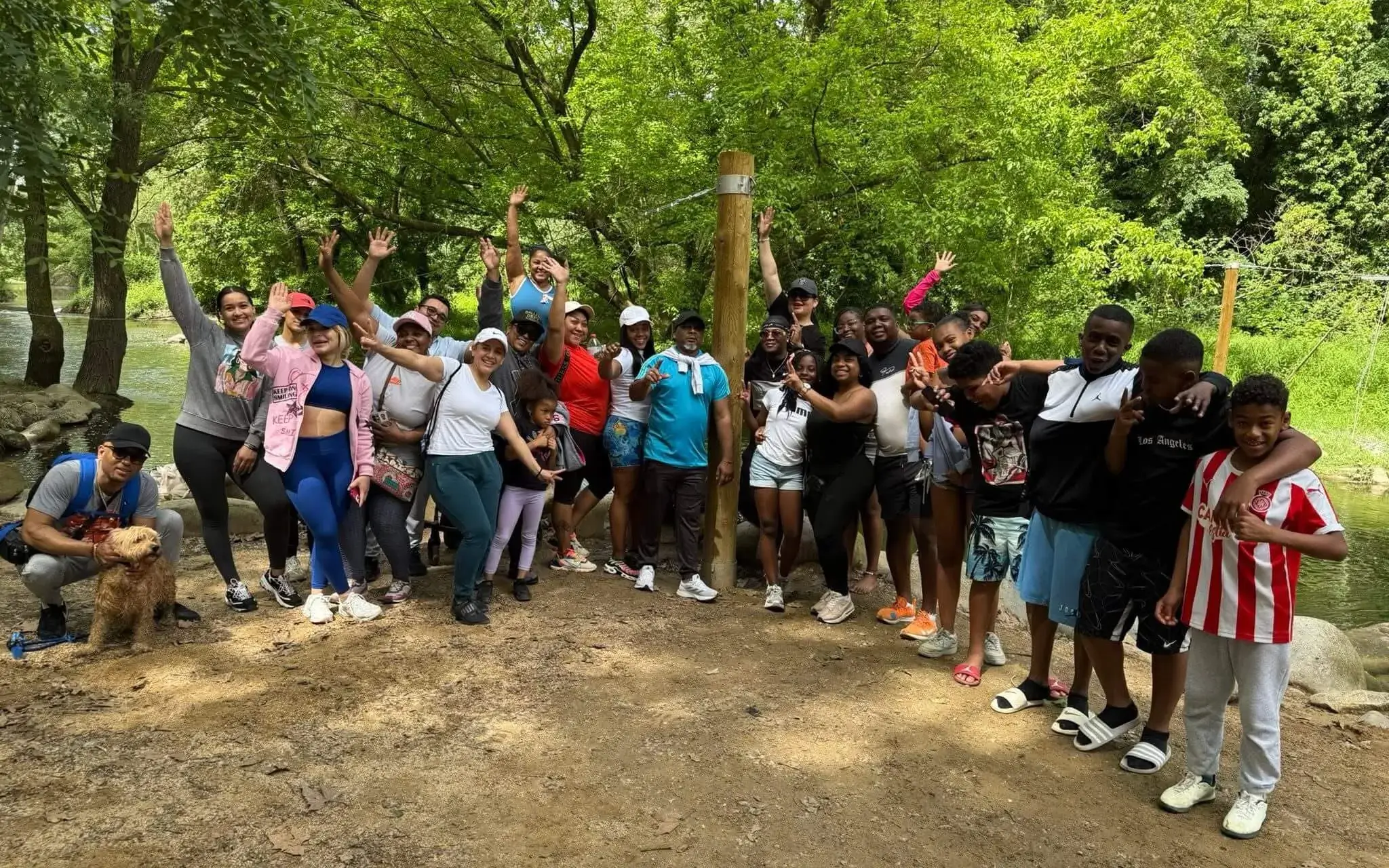
Bumaro supports migrants through their arrival and settlement process. Source: Bumaro
The organisation’s president and project coordinator looks back at Bumaro’s origins and the work it carries out to support migrants through their arrival and settlement process.
When Nelson J. Ruiz arrived in Catalunya from Colombia, he did so full of hope and with the intention of continuing to grow professionally as a psychologist, but he came up against a reality that was much more difficult than he had expected. Alone, without a support network and facing difficulties in being able to work and settle, that experience, shared by many migrants, eventually led him to create Bumaro in 2023, an organisation designed to offer guidance, support and assistance to those starting a new life in Catalunya.
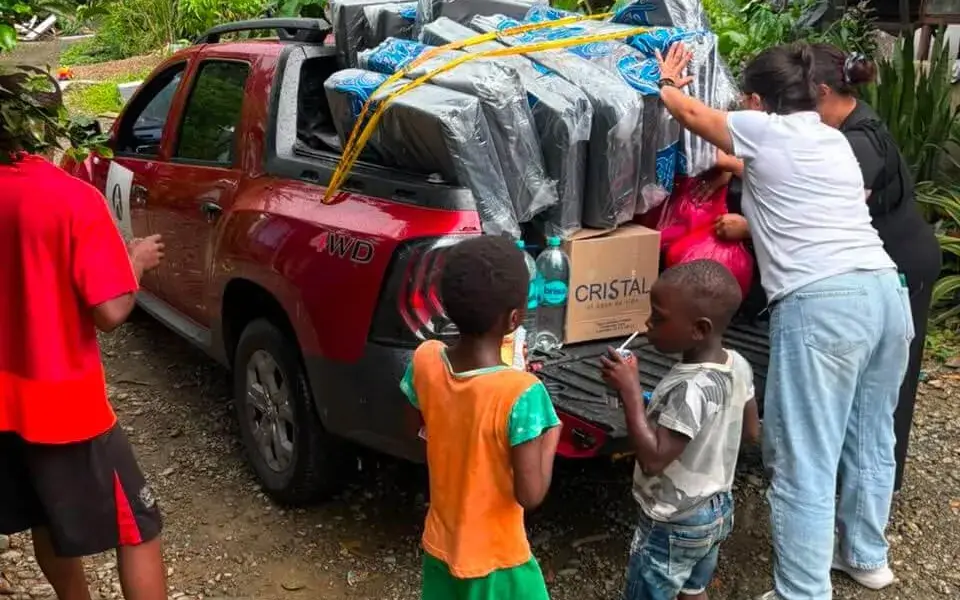
Based in Girona and with a branch in Barcelona, Bumaro works in areas such as initial reception, immigration matters, emotional support and employment guidance. The organisation also maintains a close connection with Buenaventura, Ruiz’s home city, and following the 10 August earthquake it mobilised to channel aid to the affected communities. Now, as it strengthens its structure, the association wants to continue expanding its capacity to provide support and become a leading organisation for migrants.
How would you define what Bumaro is?
We are a non-profit organisation that works to improve the living conditions of migrants and people in vulnerable situations. We promote projects to create equal opportunities, regardless of origin or nationality. We mainly work with Colombians, but also with people of other nationalities. We do not close the door to anyone.
The organisation was born out of your personal experience.
Yes. I am Colombian and I was relatively well off in Colombia. I am a psychologist and I came here hoping to grow professionally and be able to practise here as I did there. But when I arrived in Spain, the reality was very different. I found myself completely alone and went through a fairly difficult year, until I was able to obtain a work permit.
And that encouraged you to help other people in the same situation.
Based on everything I had experienced, I thought it made sense to create an organisation that could offer guidance, advice and support to people who arrive here. I know that other organisations already exist, but many of the Colombian ones I knew were more focused on the cultural sphere. Together with other people, we eventually created Bumaro in 2023.
So you are a young organisation.
Yes, and the beginnings have been difficult. We did not have any grants and we paid for all the activities out of our own pockets. Over time, some of the people I started with had to leave because they needed to make a living and could not devote enough time to it, and my work also left me with very little time. The association was practically inactive for around a year. I continued to offer advice intermittently, until I decided that we had to reactivate it because many people were looking for us and asking us for help.
And how did you manage to get the organisation up and running again?
Above all, by looking for volunteers. In this process, the Coordinadora d’ONG Solidàries has helped us a great deal. At one point there were around eight of us, although some have had to leave for work-related reasons, and right now we are around four volunteers. We work entirely online, our registered office is in Girona and we can use spaces at the Centre Cívic Sant Narcís, as well as the Coordinadora’s facilities when we organise an activity. We also have a branch in Barcelona.
How do you make all this work sustainable?
Most of the projects we currently have under way are not funded and we sustain them through volunteer work. The first grant we received was to run Catalan courses, and last year we taught three of them online. We now also have a grant from the Fons Català to strengthen the organisation’s structure and professionalise it a little more.
The challenge is to continue securing resources.
So far, it has been very difficult because I have had to work very hard and I have personally covered a significant part of the expenses. We want to continue applying for other grants, although very often we do not hear about the calls for applications. In this respect, the Coordinadora d’ONG Solidàries guides us and helps us keep track of them.
What kind of people do you mainly work with?
Mainly migrants. One of our services is initial reception, designed for people who have just arrived and need guidance and advice to gradually adapt to Catalunya. We also have an emotional support project, which is more open, although it is especially designed for migrants and to address issues such as migration-related grief or other situations linked to the migration process.
And in the area of immigration, what kind of support do you offer?
We offer basic legal advice on immigration matters, support regularisation processes and issue vulnerability certificates. Most of our services are free, although since July some more specialised services have had a social cost to help us cover expenses.
You also offer some more specialised services. What are they?
We provide support with procedures such as Spanish nationality, recognition of qualifications, criminal record certificates, apostille and legalisation of documents, or exchanging driving licences. We also offer some consular procedures specifically for Colombians. These services have a very low social cost to help us cover expenses.
What are the needs people raise with you most often at the moment?
People mainly come to us for legal advice. We used to receive many enquiries related to asylum applications, but now we hardly receive any. On the other hand, enquiries about how to apply for social or employment-based arraigo and other issues linked to regularisation have increased a lot.
Has the extraordinary regularisation process brought you many enquiries?
Yes. We have had more than two hundred cases, of which 168 ultimately went ahead. They are currently still being processed and we have already started receiving some favourable decisions. We have carried out this work with the support of a law firm that has collaborated closely with us. In the end, we were able to assist all these people and support them throughout the process.
How important is it for you to work in a network with other organisations?
It is important for us because we do not have all the resources needed to provide people with comprehensive support. We help as far as we can and, when someone needs a service that we do not offer, we refer them to our network of collaborators and partner organisations. We work with several organisations with which we support each other. This allows people to continue their support process even when we cannot meet all their needs.
Looking to the future, what is the main challenge ahead of you?
We want to consolidate ourselves as a leading organisation in the social sector and generate a real impact in migrant communities. The challenge is to expand our programmes and offer a quality service that contributes to the well-being and development of the people we support.
How can people collaborate with Bumaro?
People can contact us through WhatsApp, a channel that has spread a lot through word of mouth, and also through Instagram, Facebook, TikTok and the website. We are currently redesigning the website to make it more complete and professional. We want to include forms there to sign up, make donations and find out about the different ways of collaborating with the organisation.
What gives you the greatest satisfaction in the work you do?
It gives us great satisfaction to see people achieve their goals. For example, we support newly arrived people who are not registered on the municipal census and need to obtain a health card. With our guidance, they often manage to register without a fixed address and, from there, we also help them apply for their health card, which is essential for migrants.
It is also very gratifying when someone tells us that their residence permit has been granted or renewed. Although we are not lawyers, we have seen that many of the residence and nationality applications we have supported have received a favourable decision. These things give us great satisfaction.
I did not want to miss the chance to ask you about your connection with Buenaventura, one of the areas most affected by the earthquake in Colombia.
I am from Buenaventura, it is my home city, and I have also been involved in social leadership there. I also have a foundation there with the same name, although it is currently inactive. We are working so that the association can also operate there and develop cooperation projects.




Add new comment