Participants obtain recognition from the European Union for the personal, social and cultural skills acquired through various workshops.
Migrants , refugees and asylum seekers often arrive empty-handed in terms of training certificates from their country of origin, and are required to present evidence of their skills to access administrative procedures, employment and continuing education.
'PRISCILA: Promoting personal, intercultural, social and citizenship skills for lifelong learning' was born to address this problem. An Erasmus+ project in the field of adult education, in which six partners from four different countries and an international organization participate, including La Xixa and ACATHI.
"When you are an immigrant who arrives in Catalonia, you have to make a lot of efforts to start a new life. In this sense, Priscila helps you identify your vital knowledge and skills ," explains Chebi Bouroncle, an ACATHI technician.
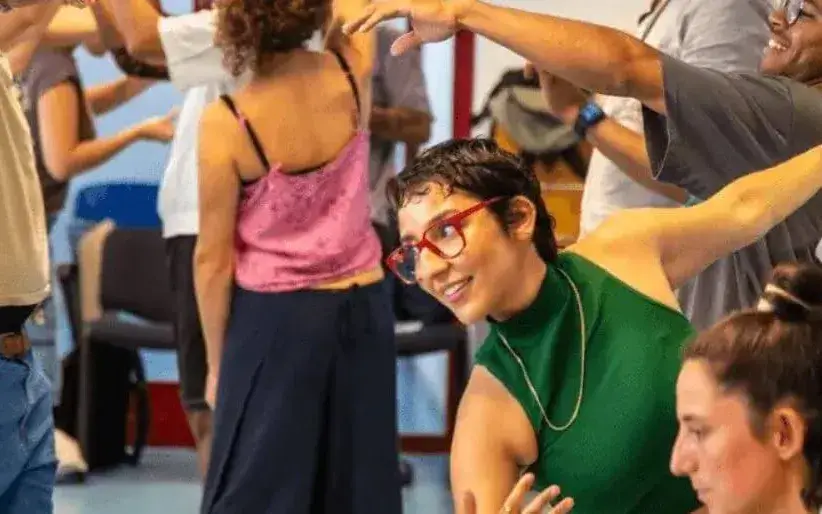
The PRISCILA method is based on non-formal learning methodologies such as Theatre of the Oppressed , Deep Democracy , Spatial Assembly and Critical Incident . “The central purpose is to democratise non-formal education through micro-credentials that sometimes cannot be measured. For example, leadership, interculturality, empathy or democracy ”, explains Chebi, who has been in charge of all the monitoring from ACATHI.
Recognized by the European Union
People who have been part of the project and have attended the various workshops receive a Europass . A tool validated by the European Union that accredits the experience acquired. “With this recognition, the situation of immigrants changes and makes their path easier, although currently there are still many prejudices,” says Chebi.
According to ACATHI, Italy, Spain and Turkey are key entry points for people who have experienced a migration process, refugees and asylum seekers in Europe.





Add new comment