
In a humanitarian emergency, it is necessary to listen to communities, respect their dignity and trust the organisations that know the territory and work on the ground.
As governments around the world increase their investments in humanitarian assistance, they are recognising a simple reality: today's crises are becoming more frequent, more complex, and more interconnected.

"Not necessarily a space with swings and goals, but places where you don't have to produce, compete, buy or demonstrate anything. A bench in the square. A library. A neighborhood association."

On 17 January, a new global treaty entered into force that finally allows countries to establish marine protected areas on the high seas—ocean regions that lie beyond the jurisdiction of any single nation.
Youth literature can help LGBTI youth recognize themselves without feeling exposed. Reading stories about identity, doubt, fear, and hope can open up necessary conversations with families, teachers, and educational settings.
Given the climate emergency situation we are going through, and in the local/global context of urban population growth, it is urgent to seek solutions that mitigate the impacts of climate change on people's lives.
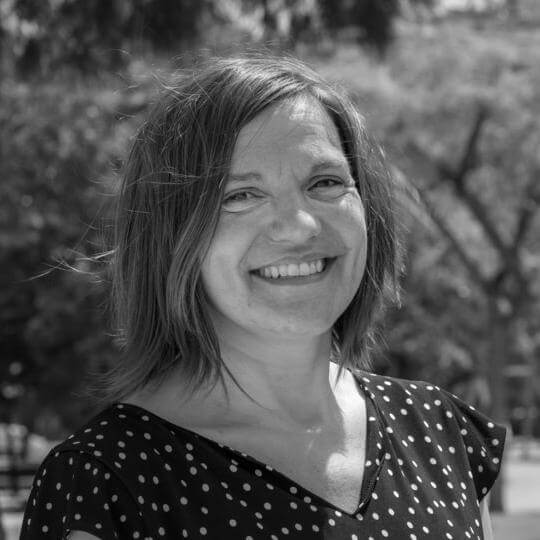
Across the European Union (EU), the legitimacy of civil society organisations is being increasingly questioned, at a moment when democracy needs them the most.
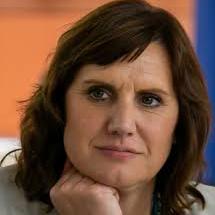
For many older people, digitalization does not simplify daily procedures, but rather adds new obstacles, generating anxiety and worry.
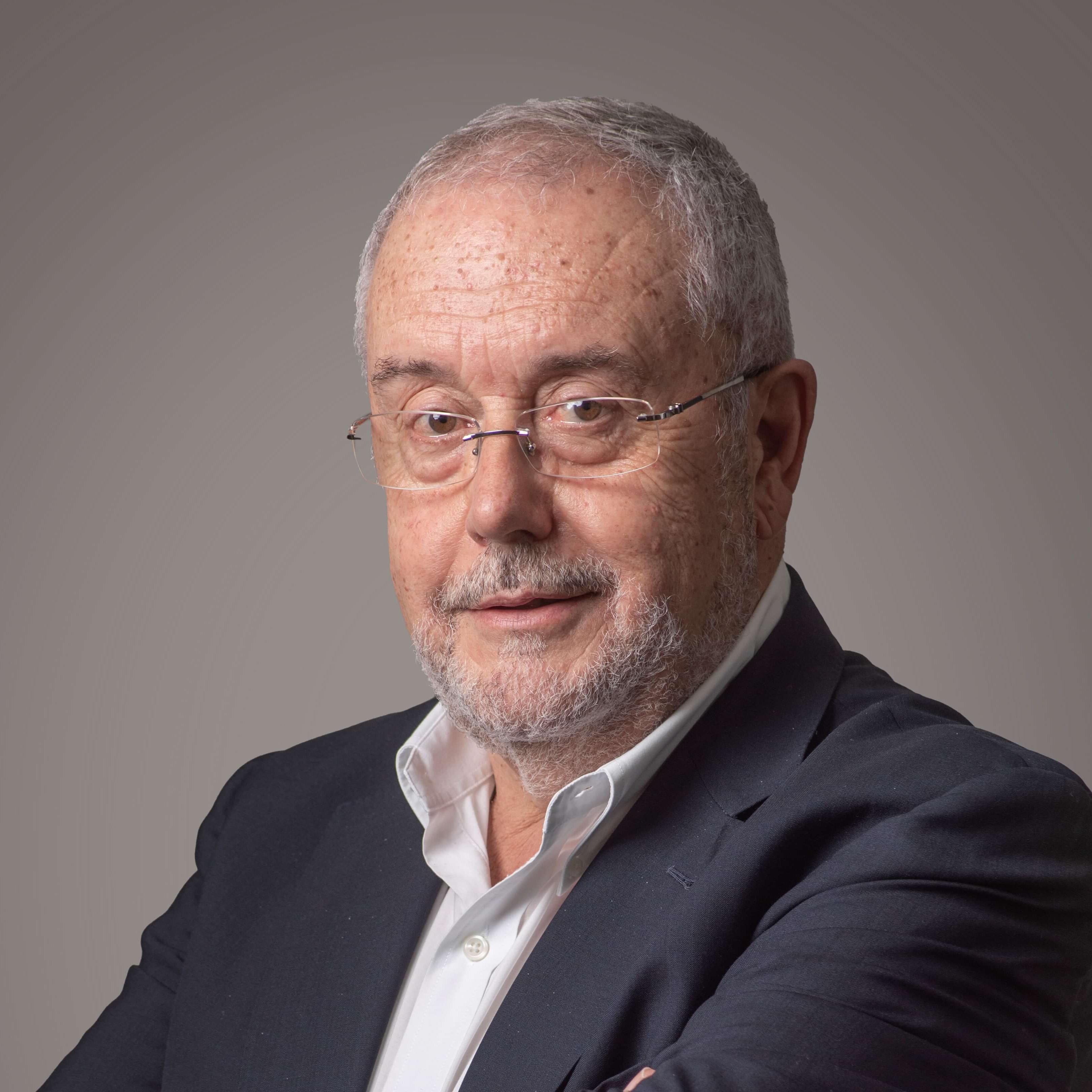
The article highlights volunteering as a driver of active citizenship, democracy, and human rights in Europe. It calls for harmonizing national regulations to advance a common European volunteering policy.
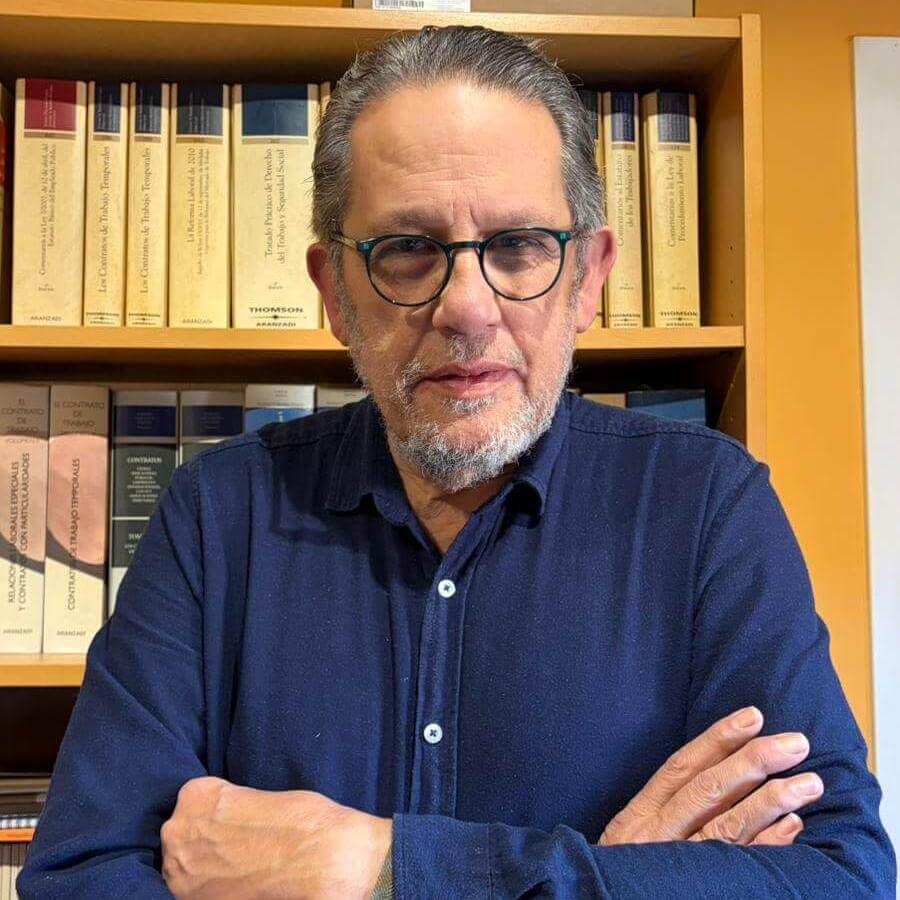
The author, Hermes Castro, Treasurer of Fedelatina at Fedelatina (Federation of Latin American Entities of Catalonia) shares his perspective on what has happened in the country in an article published in three parts.

The author, Hermes Castro, Treasurer of Fedelatina at Fedelatina (Federation of Latin American Entities of Catalonia) shares his perspective on what has happened in the country in an article published in three parts.